Yoga Poses
Yoga Pose for Day 100 - Headstand (Sirsasana)
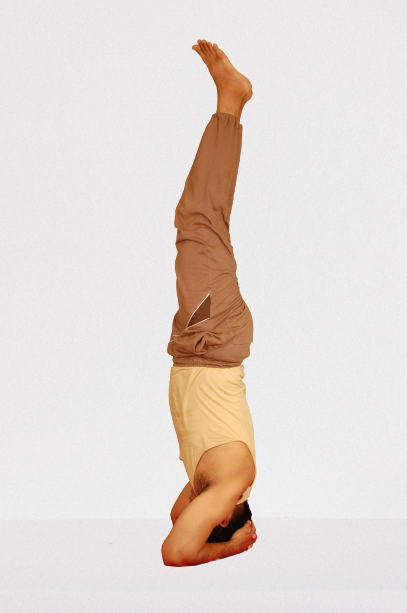
The 100th pose in 'Yoga Pose for the Day' is Headstand, which is called the King of all Yoga Poses. Headstand is called Sirsasana in Sanskrit. 'Sirasa' means 'head'.
The 100th pose in 'Yoga Pose for the Day' is Headstand, which is called the King of all Yoga Poses. Headstand is called Sirsasana in Sanskrit. 'Sirasa' means 'head'.
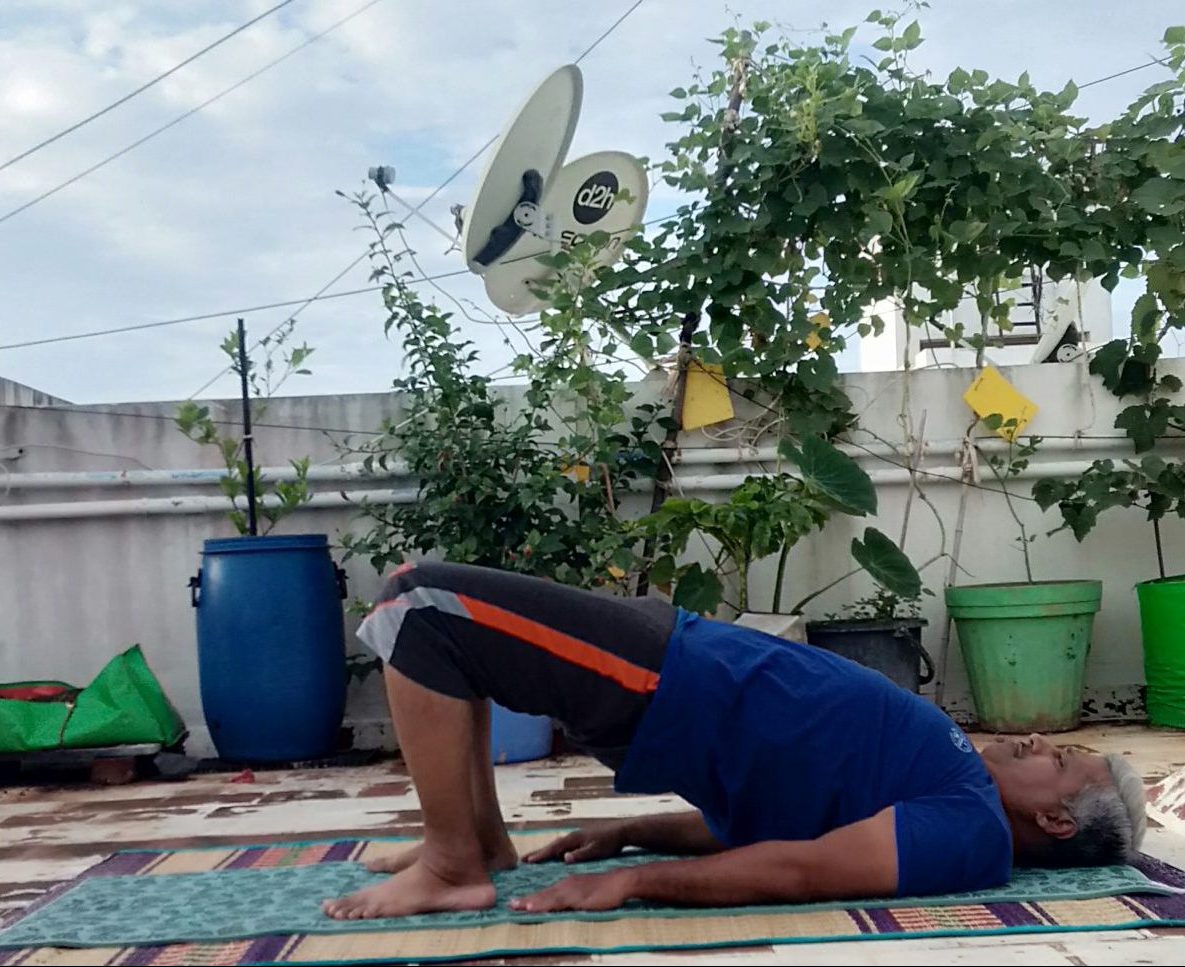
One of the simplest supine yoga poses that offers amazing health benefits is Bridge Pose. 'Setu' in Sanskrit means 'bridge; and 'bandha' means 'bound'.
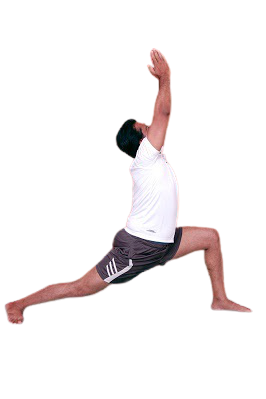
There are three types of Warrior Pose. Today's asana will be Warrior Pose 1. The pose is called Virabhadrasana in Sanskrit. 'Vira' in Sanskrit means 'warrior', and 'bhadra' means 'auspicious' and 'companion'. That is a warrior who is also a a supportive companion.
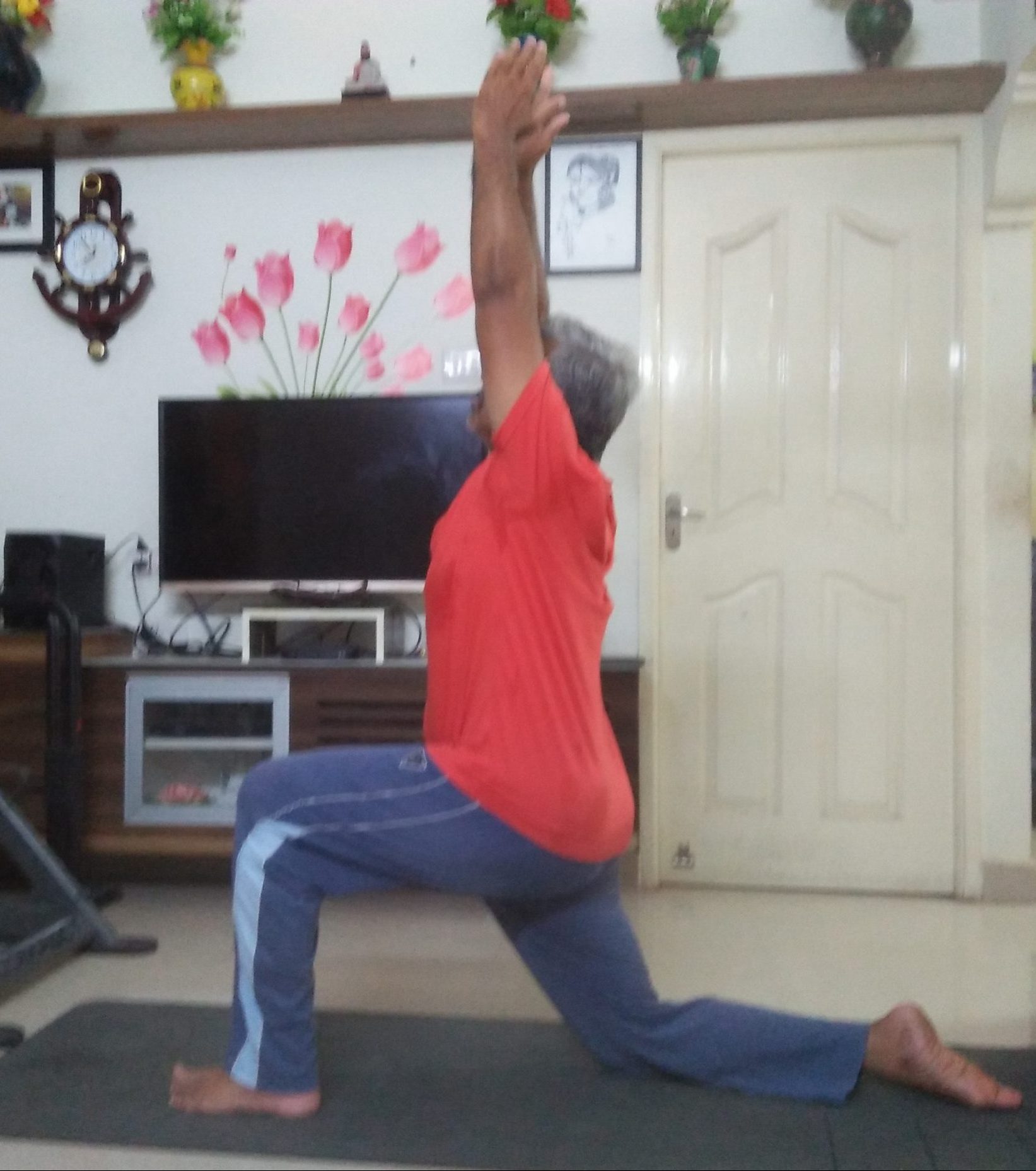
Low Lunge Pose is called as Anjaneyasana in Sankrit . The pose stimulates muladhara, svathittana, manipura and anahata chakras. Low Lunge Pose is also referred to as Crescent Moon Pose.
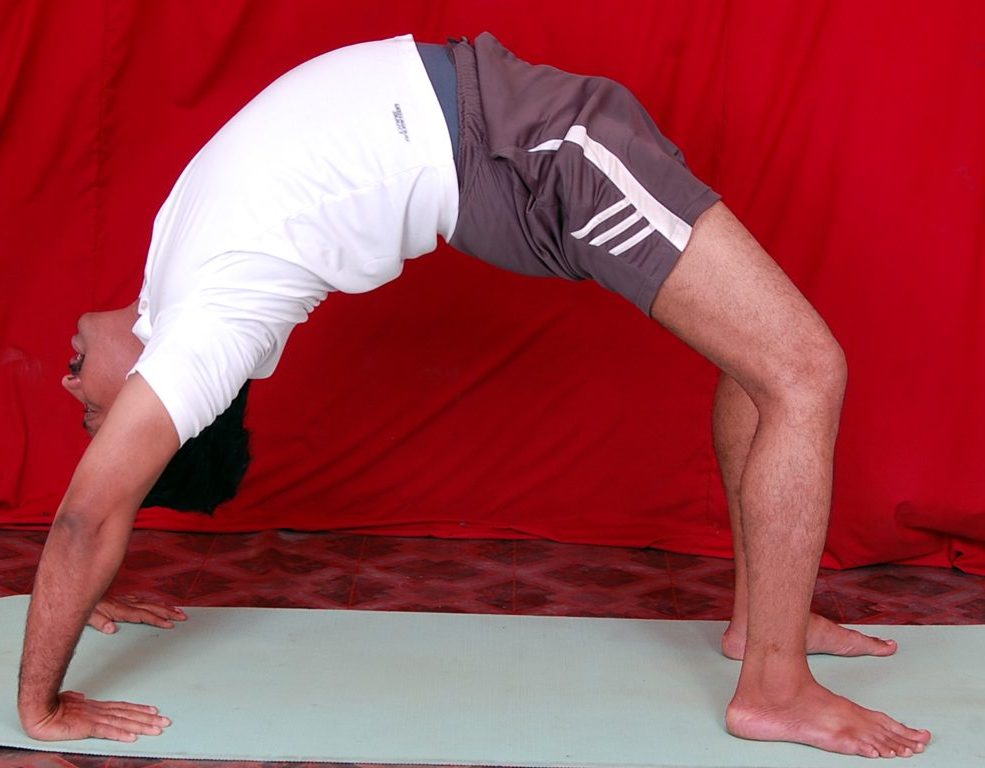
Upward Bow Pose is often referred to as Wheel Pose. However, in Wheel Pose, you bring your hands and legs close to each other to form a wheel whereas in Upward Bow Pose, hands and legs are apart. Upward Bow Pose is called as Urdhva Dhanurasana. In Sanskrit, 'Urdhva' means 'upward' and 'dhanur' means 'bow'.
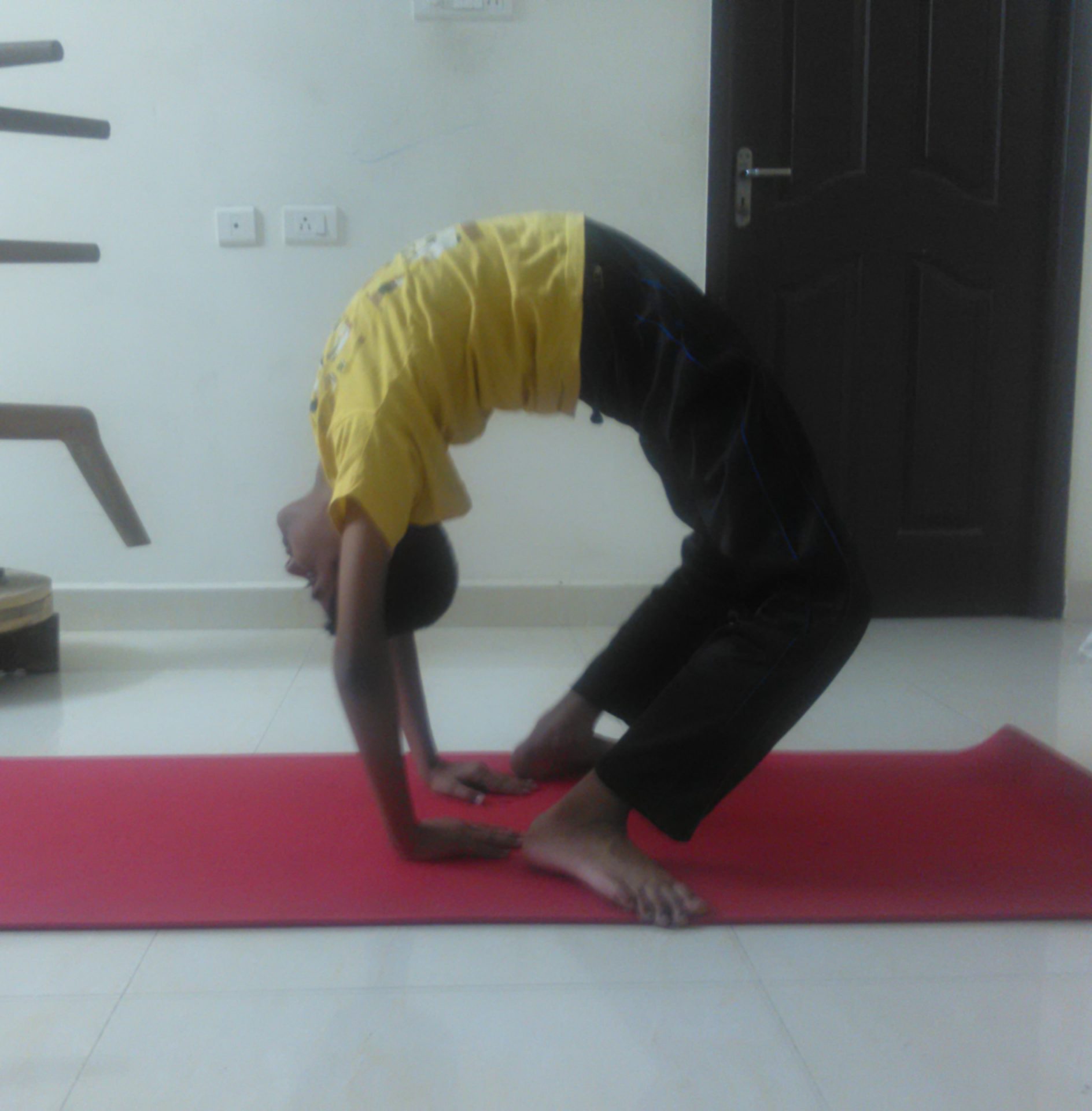
Wheel Pose is one of the challenging back bend yoga poses. It is called Chakrasana in Sanskrit. 'Chakra' means 'wheel'. It goes without saying why the pose is named thus.
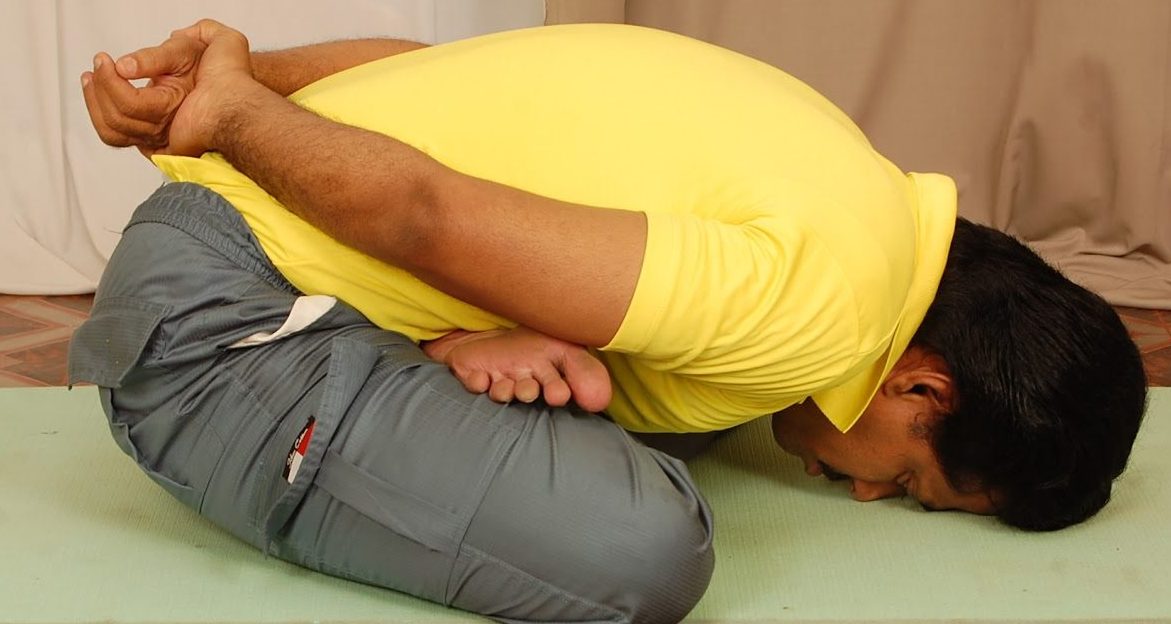
Yogamudra is the practice of mudra while in asana. Psychic Union Pose as Yogamudra is called in English, regulates flow of psychic energy. It also acts as a channel to communicate the activities of the brain that correspond with outer organs to respective organs.
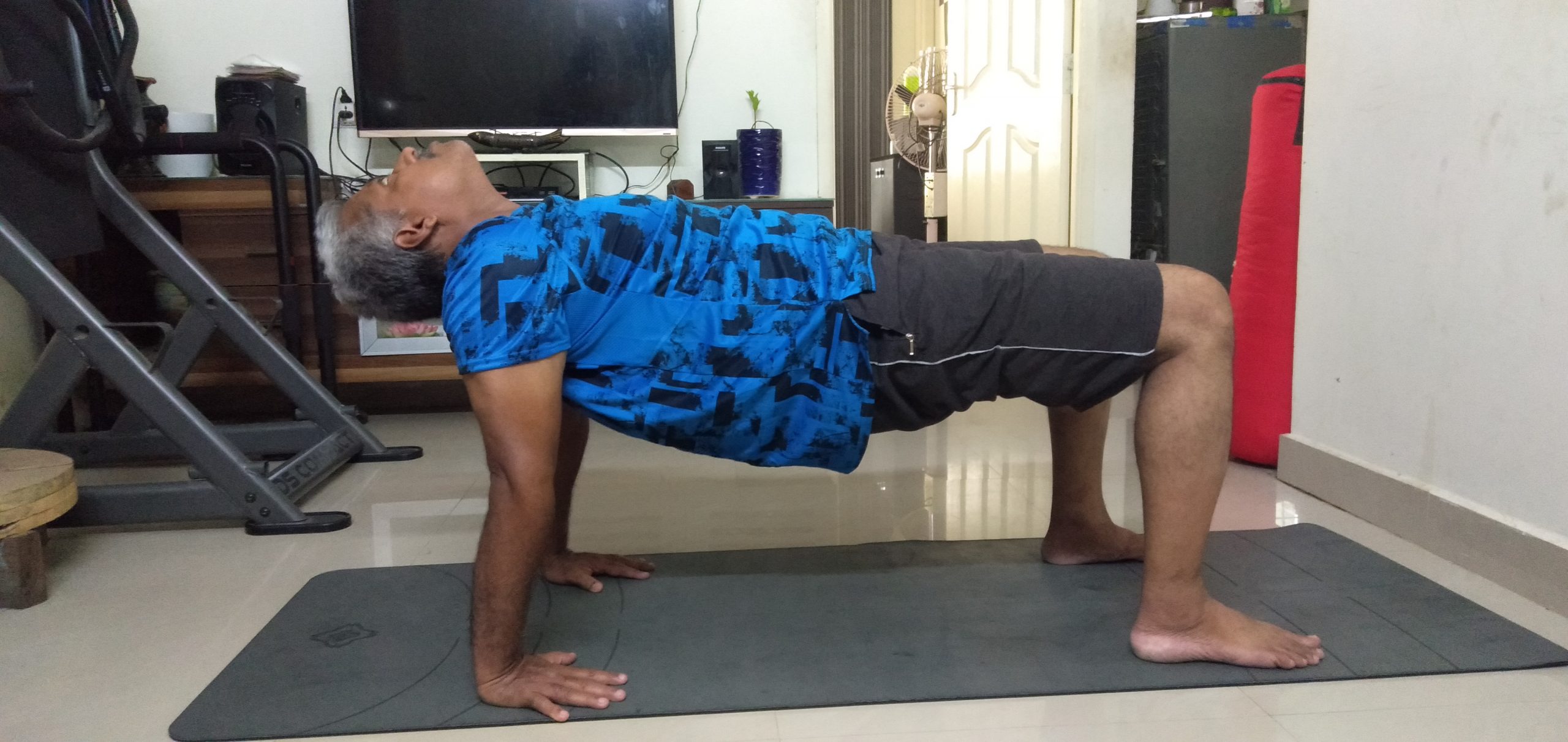
Reverse Table Top Pose is called Ardha Purvottanasana in Sanskrit. ‘Ardha’ means ‘half, ‘purva’ means ‘east’, ‘uth’ means ‘intense’ and ‘taan’ means ‘to stretch’. That is, intense stretch of east side.
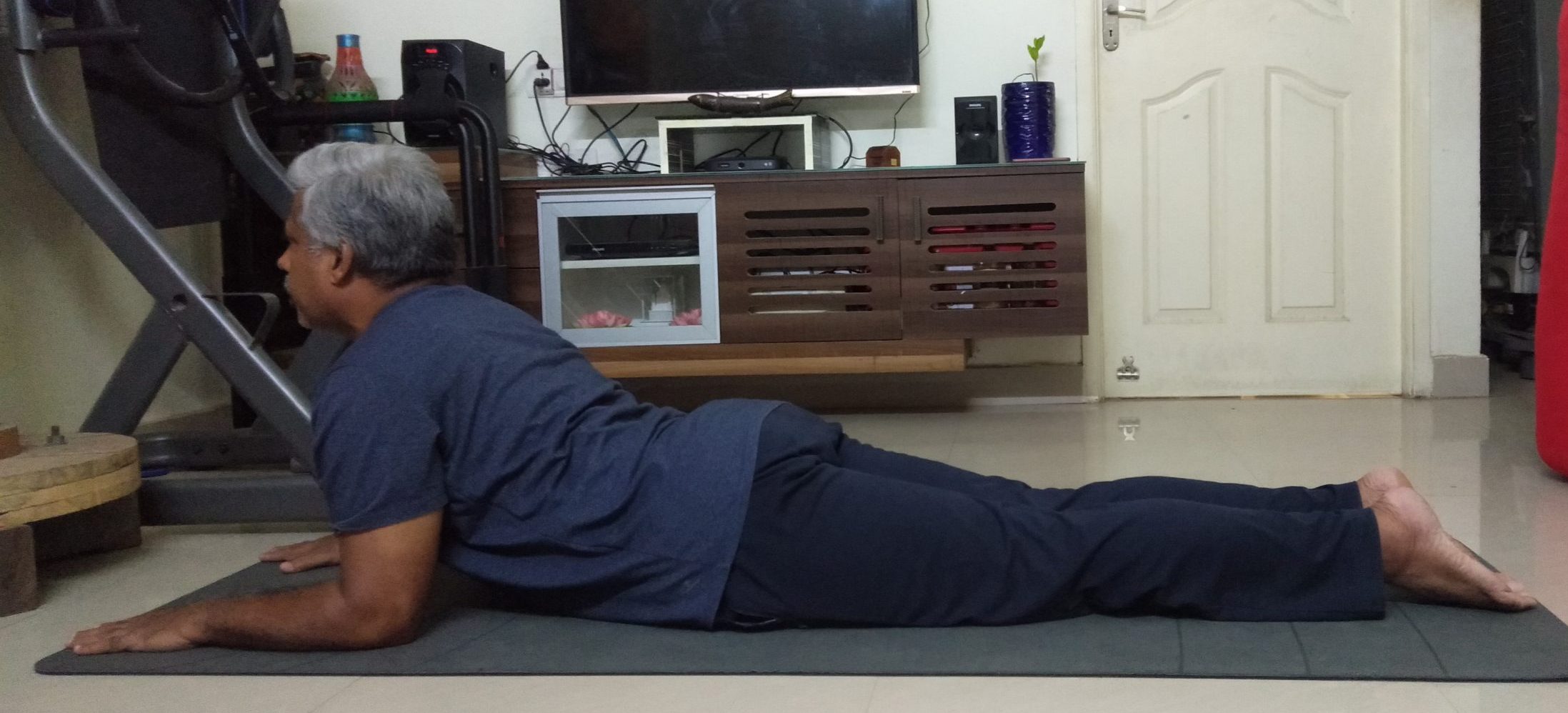
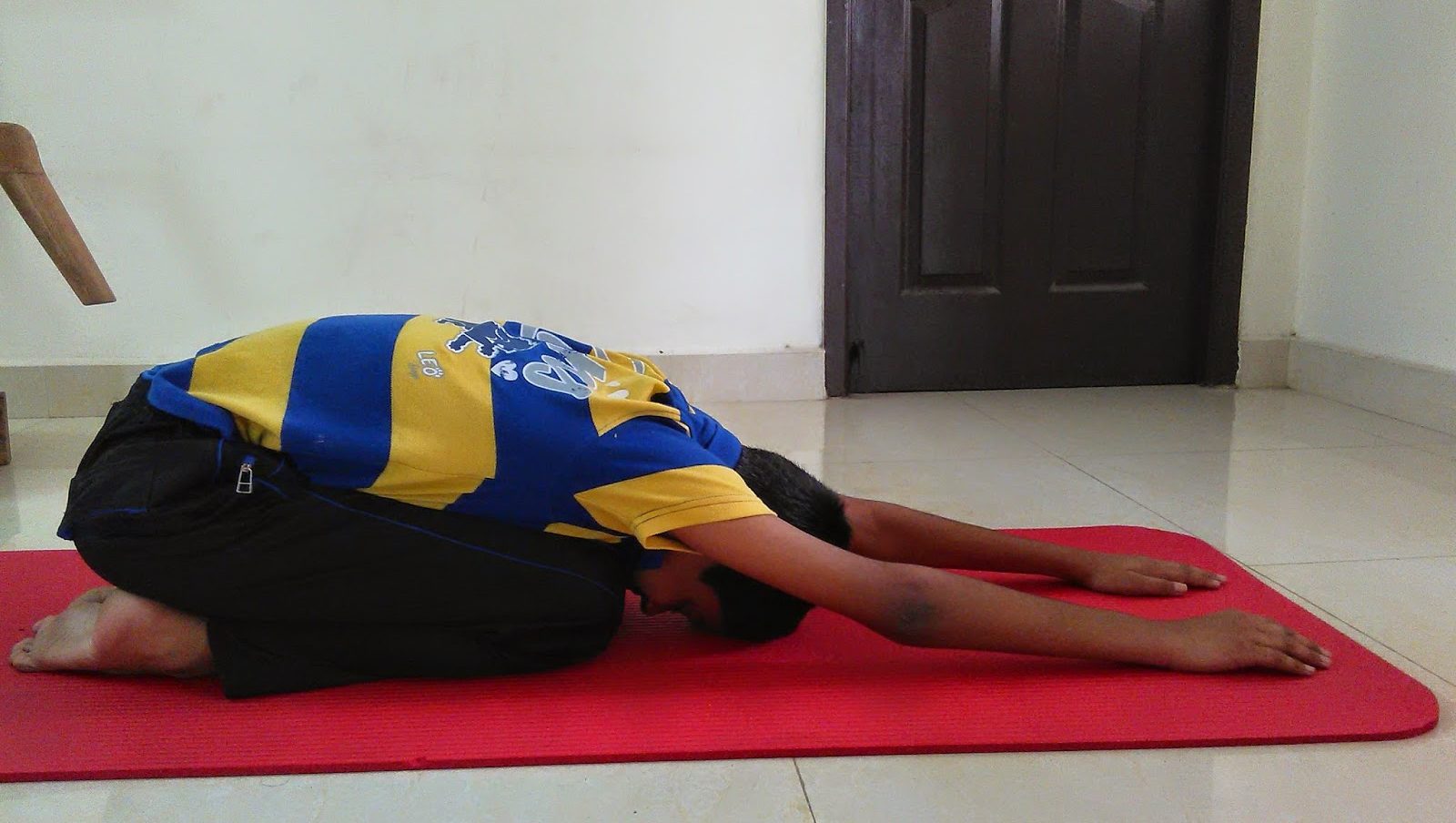
Sphinx Pose can be performed as a counter pose to Child Pose. Just like Child Pose is a baby’s lying position, Sphinx Pose resembles a baby holding the weight of its upper body in both hands while lying. The term ‘salambha’ in Sanskrit means ‘support’, ‘bhujanga’ means ‘snake’. This is generally considered as a half striking pose of a snake.