

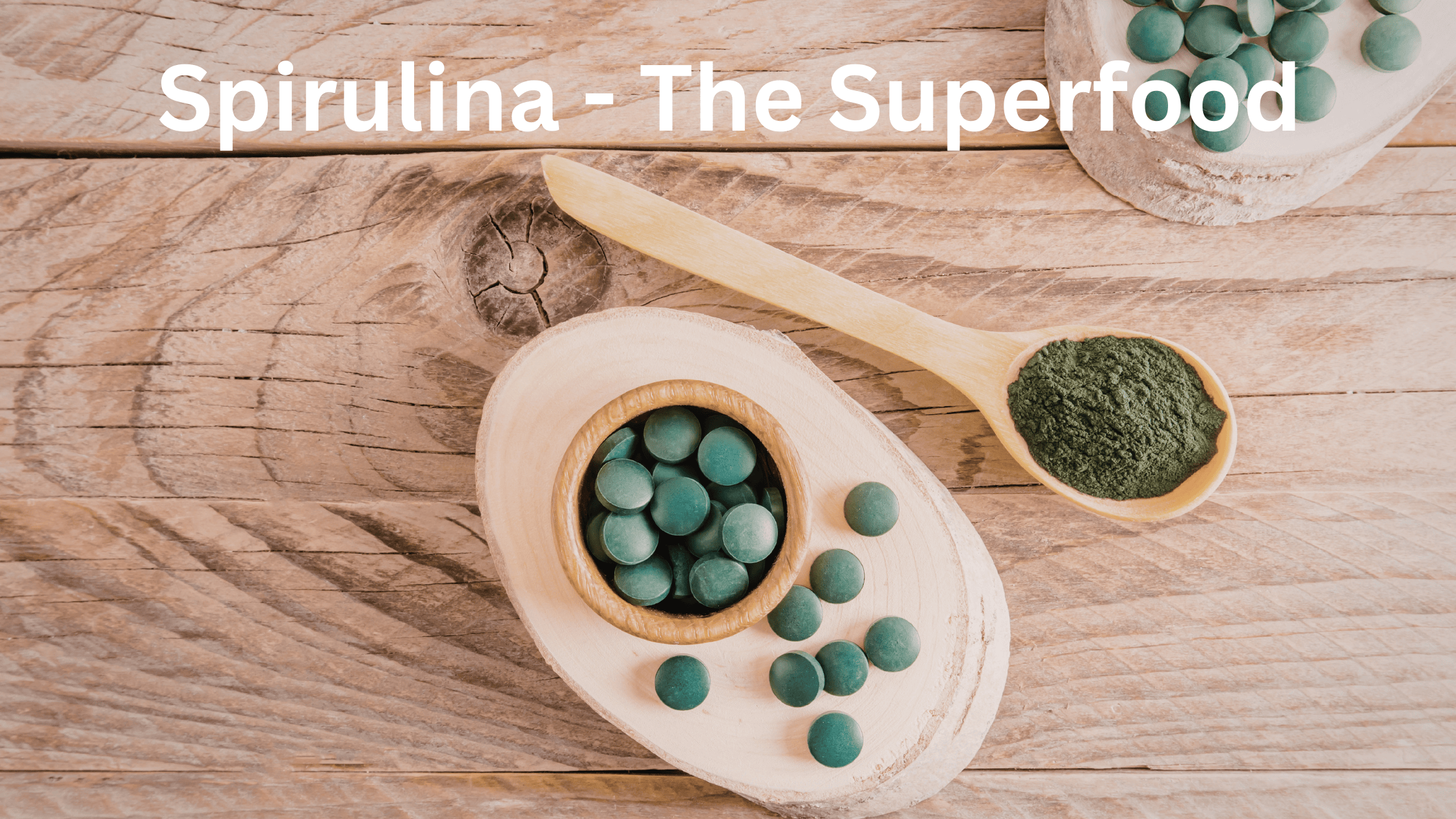
Spirulina is a blue-green microalgae that grows naturally in freshwater and saltwater environments. For centuries, it has been consumed as a nutrient-dense food. Today, various studies have proved spirulina benefits. Scientists consider this as one of the most powerful natural supplements due to its rich nutritional profile and potential health benefits.
Spirulina is a blue-green microalgae that grows in water. Although it is sometimes mistakenly called seaweed, it is actually a microscopic organism that usually grows in freshwater rather than the ocean.
Seaweed mostly grows in sea whereas spirulina grows in in highly alkaline salt water or fresh water.
Seaweed is rich in iodine whereas spirulina is a great source of protein. Spirulina also contains iron and powerful antioxidants.
Spirulina, the nutrient-dense food is considered the superfood all over the world.
During the 1974 conference, World Health Organization stated that "Spirulina is the Food for Future".
Amazing Benefits of Spirulina
Spirulina health benefits have been proved by various studies.
1) Rich Source of High-Quality Plant Protein
Spirulina contains 60%to 70% protein. One teaspoon of spirulina contain 1.8 grams to 2 grams of protein.
All essential amino acids for humans are found in spirulina. The benefits of amino acids in spirulina include:
- Promotes muscle growth
- Boosts energy
- Better satiety and controls hunger
2) Nutrient Dense Food
Even a small amount of spirulina contains a wide range of nutrients. A single tablespoon (7 g) of spirulina contains:
- Protein
- Vitamin B1, B2, B3
- Iron
- Copper
- Magnesium
- Potassium
3) Powerful Antioxidant and Anti-Inflammatory Effects
Phycocyanin in spirulina is a potent antioxidant. Some of the benefits of phycocyanin include:
- Reduces inflammation
- Protects cells from oxidative stress
4) Supports Heart Health
Various studies show that spirulina supports heart health. Research indicates that spirulina reduces bad cholesterol and lowers blood pressure.
5) Helps to Regulate Blood Sugar
According to studies, spirulina helps to improve insulin sensitivity.
7) Helps With Weight Management
Spirulina is low in calories and high in protein. Hence it may reduce appetite, increase feeling of fullness and support healthy weight management.
8) Supports Eye Health
Zeaxanthin in spirulina supports eye health.
Various studies on spirulina's efficacy in treating cancer prove that spirulina may help with fighting cancer. However, more studies are need to support this result.
Spirulina is environmentally sustainable. It requires less land and water than traditional crops. It produces high protein yield and can be cultivated in controlled environments.
Some nutrition researchers describe spirulina as one of the most nutrient-dense foods on earth. Because of its exceptional concentration of protein, vitamins, minerals, and antioxidants, it has been studied as a potential food source to combat malnutrition in developing regions. Some even say that spirulina is second best to breast milk. However, while spirulina is extremely nutritious, scientific organizations do not officially rank foods in comparison to human breast milk, which remains the most complete food for infants. A study on spirulina's benefits for infants say that adding spirulina can fortify infant formula.
Why is Spirulina Called Superfood?
Spirulina is called a superfood because it combines several nutritional advantages.
- Spirulina contains high protein concentration
- Serves as a complete protein, which particularly can address the protein requirements of vegetarians and vegans.
- It contains powerful antioxidants including phycocyanin.
- It is a rich source of vitamins and minerals.
Why is Spirulina Protein Unique?
Unlike many plant protein, the protein in spirulina is easily digestible. While the body absorbs 57% of protein in lentils and chickpeas, it absorbs over 85% of protein in spirulina says various studies.
Superfoods Comparison
| Superfoods | Protein in 10 grams | Major Nutrients | Important Benefit |
|---|---|---|---|
| Spirulina | 6-7 grams | Phycociyanin and Iron | Immune booster |
| Moringa Powder | 2.5 - 3 grams | Vitamin C and calcium | Reduces inflammation |
| Wheat Grass | 2 - 3 grams | Chlorophyll | Removes toxins |
| Chlorella | 5 - 6 grams | Chlorophyll, B Vitamins | Detoxifies the body |
Active Compounds of Spirulina
Some of the important compounds of spirulina include:
1) Phycocianin: Phycocianin is main antioxidant pigment in spirulina. It helps to reduces inflammation and protects cells from damage.
2) Beta-Carotene: It supports eye health, boosts immunity and protects skin cells.
3) Gama-Linolenic Acid: It helps to reduce inflammation, supports heart health and regulates hormones.
4) Chlorophyll: Spirulina is rich in chlorophyll, which helps to relieve toxins thereby supporting healthy blood.
5) Zeaxanthin: It supports eye health, particularly, it helps to reduce risk of age-related eye conditions.
6) Iron: Iron in spirulina helps to prevent anemia. It also improves energy.
7) Polysaccharides: It improves immunity. It also improves antibody production.
How to Choose High-Quality Spirulina?
Not all spirulina products are created equal. The quality of spirulina depends on how it is cultivated, processed, and tested for contaminants.
When choosing spirulina, look for products that:
• Are grown in controlled environments
Are tested for heavy metals and toxins. Transparent sourcing and quality testing are important indicators of a reliable product.
Our spirulina fulfills all the above requirements and is made strictly adhering to quality guidelines and standards. If you wish to buy spirulina from us, you may kindly contact us through any of the numbers given below:
9841770302 / 7092597732 / 9941221126
How to Use Spirulina Daily?
Spirulina can be mixed in a glass of water and consumed. Or you may also add the powder to the juice you prefer. Here are some recommendations for you:
1. Spirulina Smoothie
Blend 1 banana, 1 cup of almond milk, 1 teaspoon of spirulina and add some honey.
Mix well and drink.
2. Spirulina Lemon Juice
* 1 cup of water
* Juice from half lemon
* Half teaspoon spirulina
* Honey to taste
Mix well and drink.
You can also add spirulina to curd and buttermilk.
Spirulina can also be added to fruit and vegetable salad.
Who Should Avoid Spirulina?
Generally spirulina does not have side effects. Still, under specific situations, it is highly recommended to consult your doctor before taking spirulina.
- Pregnant and nursing women
- Those with autoimmune disorder
- Those who are on blood thinners and experiencing blood related disorders
- If experiencing kidney or liver issues
Spirulina is one of the most nutrient-dense natural foods known today. Rich in protein, antioxidants, vitamins, and essential fatty acids, it offers a wide range of potential health benefits. When sourced from high-quality producers and consumed in appropriate amounts, spirulina can be a valuable addition to a balanced diet.

Rama Thamizharasu
Welcome. I am a yoga therapist, SEO consultant, content creator and translator.
Kindly check our other blog and YouTube channels:
https://voiceofapet.blogspot.com/
https://www.youtube.com/@PetsDiaryPages
http://www.youtube.com/@letnaturelive_YT