Yoga Poses
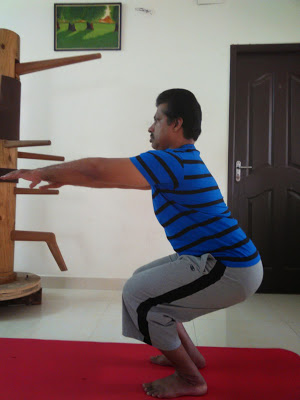
Yoga Pose for Day 49 - Half Chair Pose / Half Squat pose (Ardha Utkatasana)
Starting today, we will work on standing yoga poses. The yoga pose for today is Half Chair Pose, which is called Ardha Utkatasana in Sanskrit.
Starting today, we will work on standing yoga poses. The yoga pose for today is Half Chair Pose, which is called Ardha Utkatasana in Sanskrit.
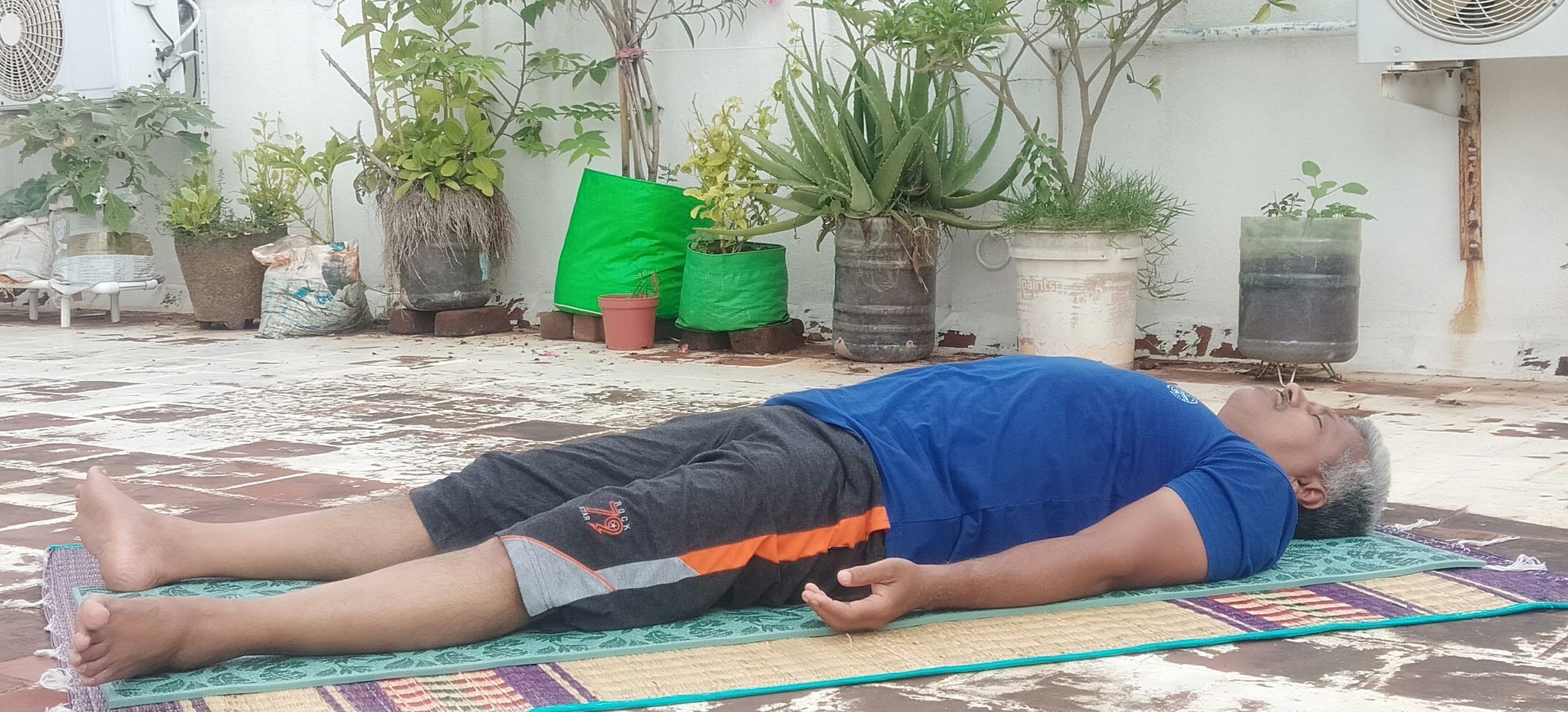
Today's Pose is called Savasana in Sanskrit. 'Sava' means 'corpse' in Sanskrit. Since the practitioner lies down on the mat sans movement, the pose is named thus. However, I prefer to call it Rest Pose.
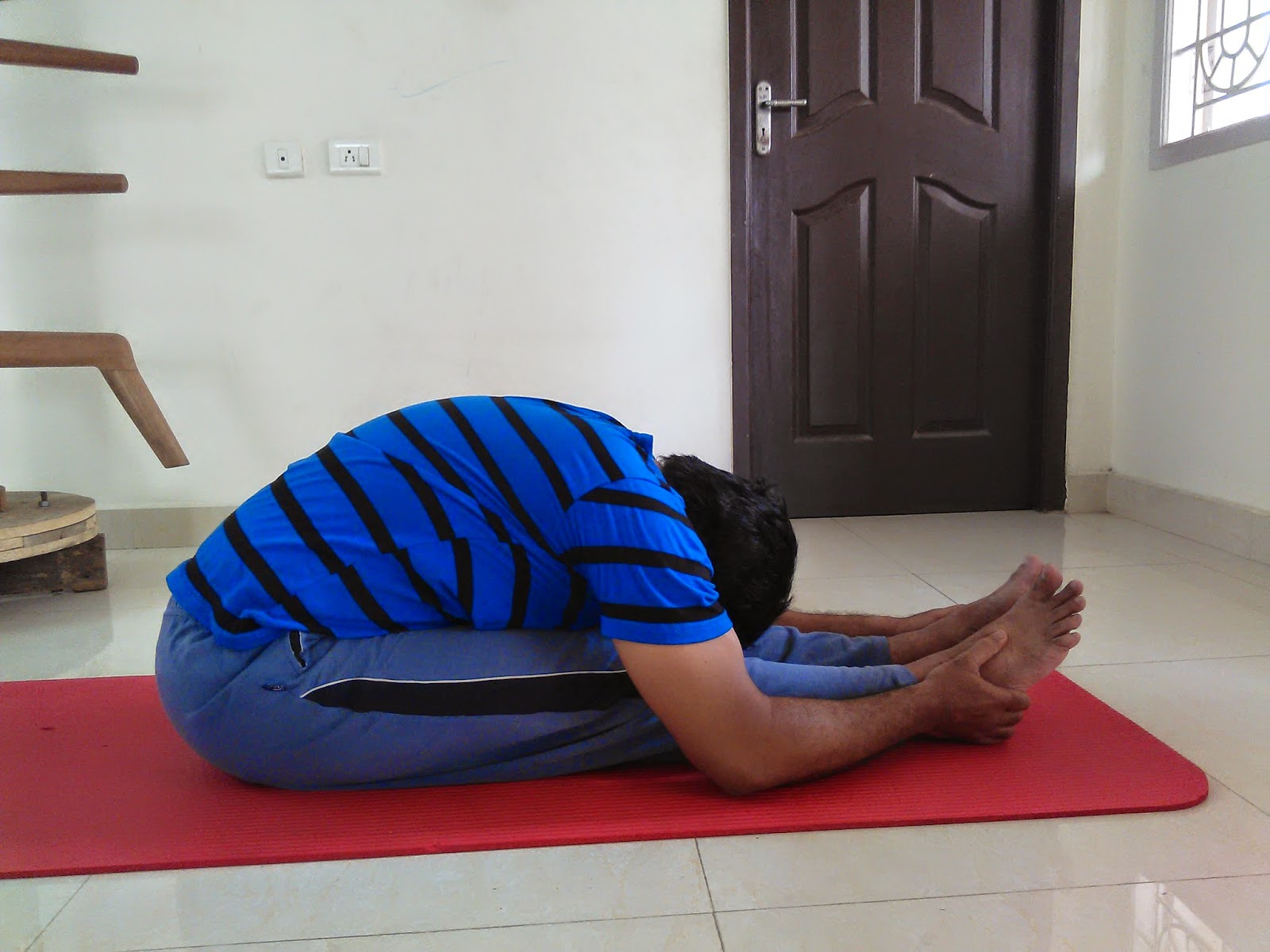
Out of the poses we have seen so far, here is a compilation of simple seated yoga poses for beginners. You are aware of the benefits of each of these poses. Seated yoga
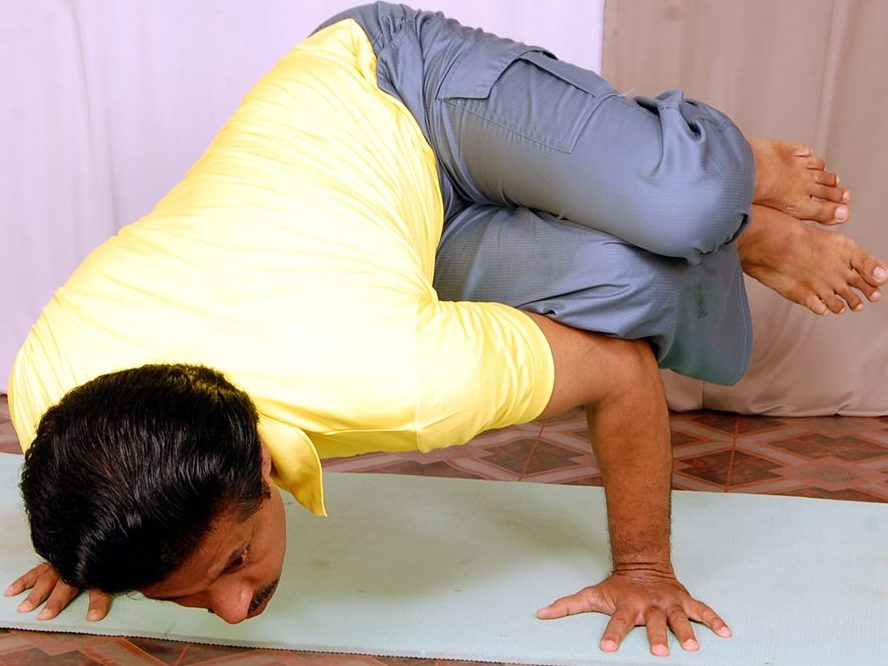
In Sanskrit, 'baka' means 'crane'. Bakasana is interchangeably called as Crow Pose and Crane Pose. However, both are two different poses. In Crow Pose, the elbows are bent; in Crane Pose, the hands
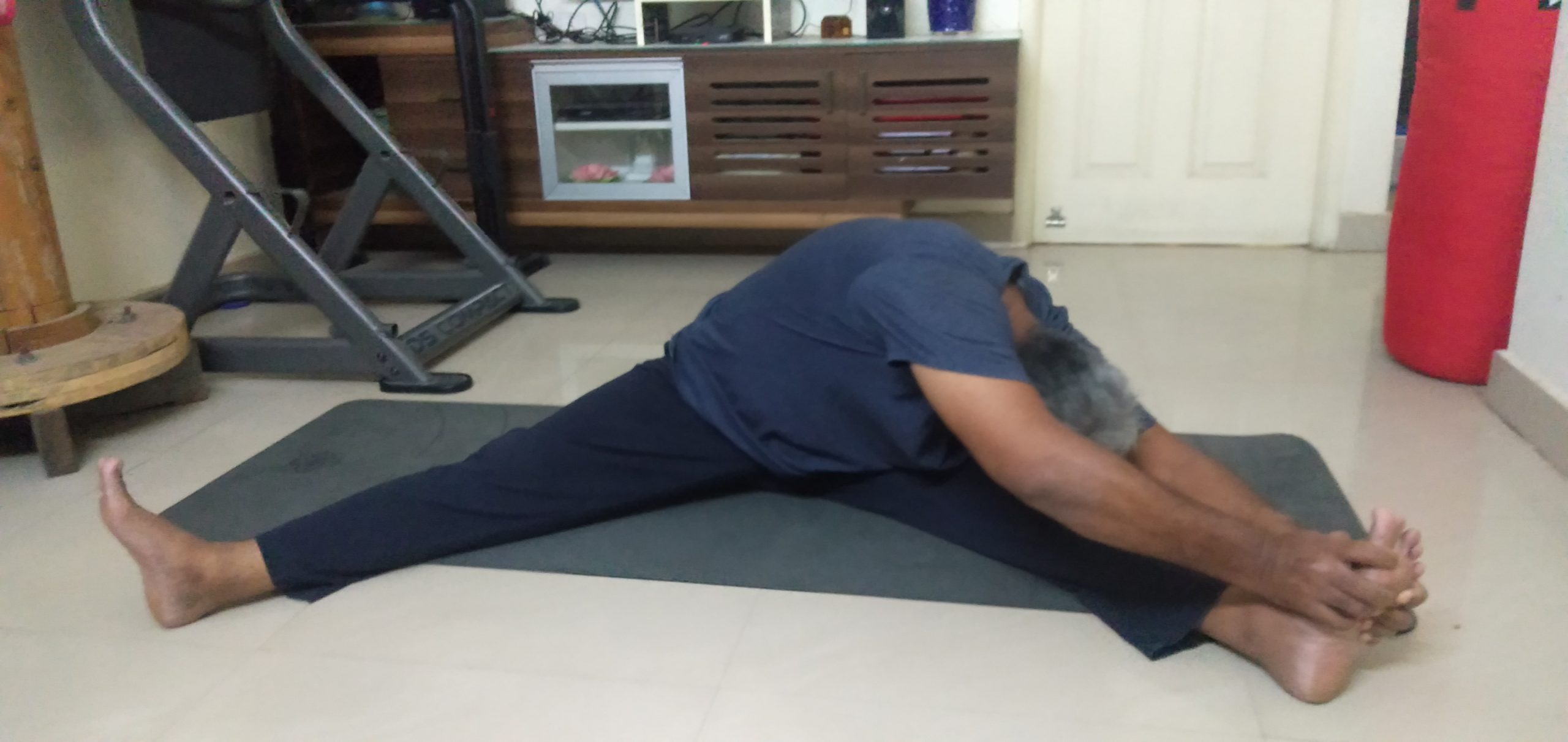
In Sanskrit, the term 'parsva' means 'side', 'upavistha' means 'seated' and 'kona' means 'angle'. Since the pose involves stretching your legs sideways at an angle it is named thus. Side Seated Angle Pose
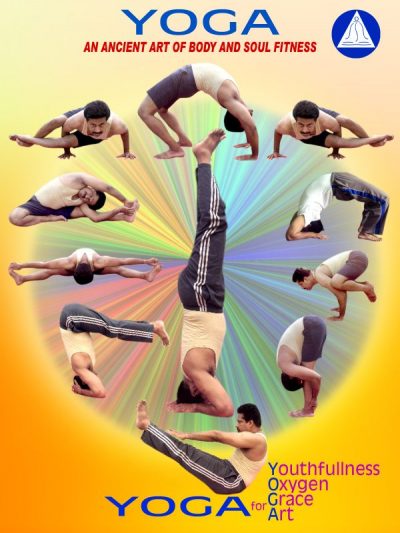
Given below are the rules to be followed to practice yoga. Kindly follow the rules and experience wonderful yoga session every time you unroll your yoga mat. Practice only on empty stomach. It is best to have bowel movement
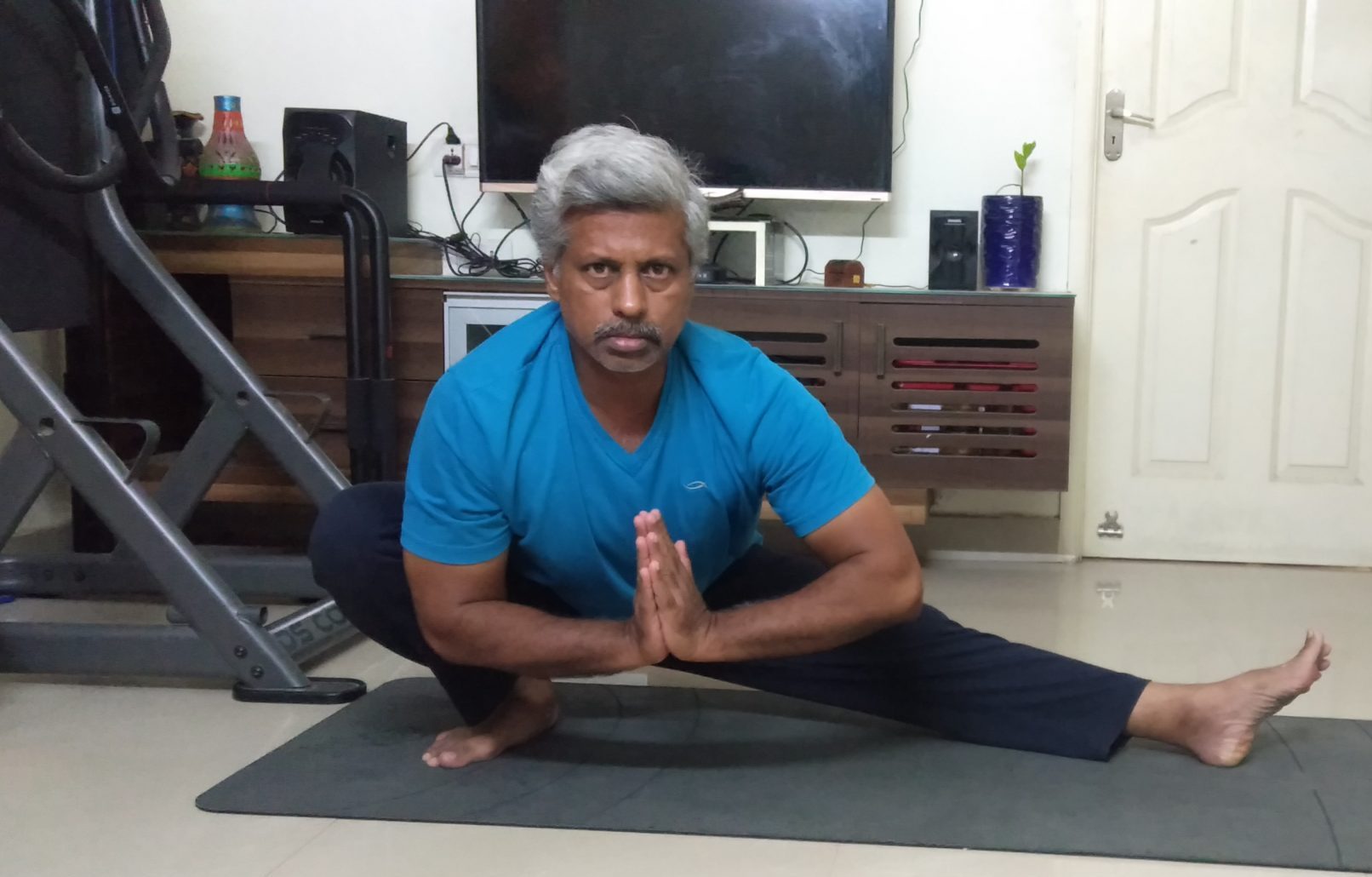
The term 'uthita' in Sanskrit means 'to stretch' and 'namaskara' means 'salutation'. The pose can also be considered a version of Garland Pose. It is also called Half Garland pose. Extended Leg Squat Pose stimulates Root Chakra
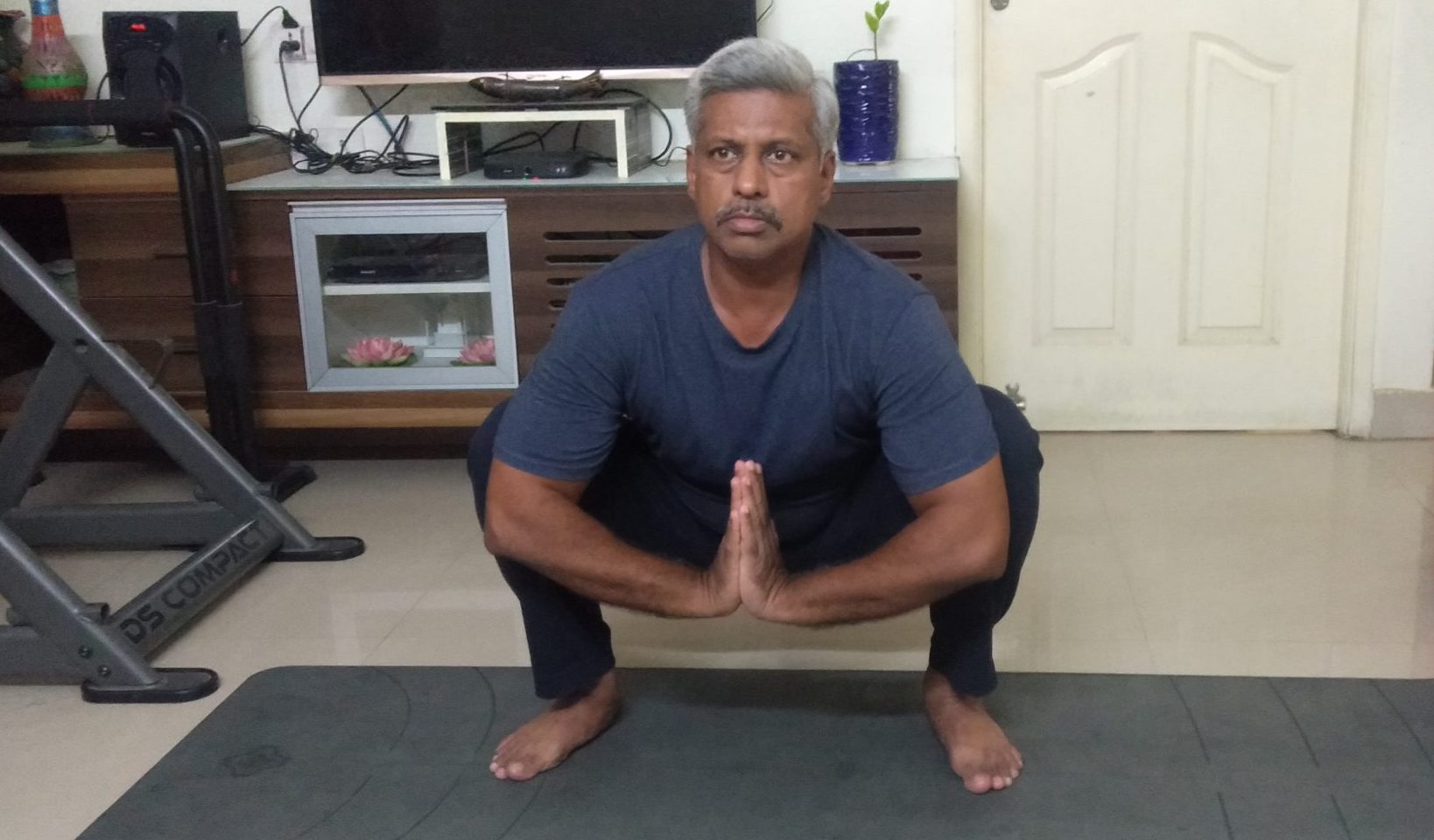
The terms ‘mala’ in Sanskrit means ‘garland’ and ‘namaskara’ means ‘greeting’. Since the body is in the shape of garland while in the pose it is called Garland Pose. The pose is also called Squat Pose. Garland Pose stretches
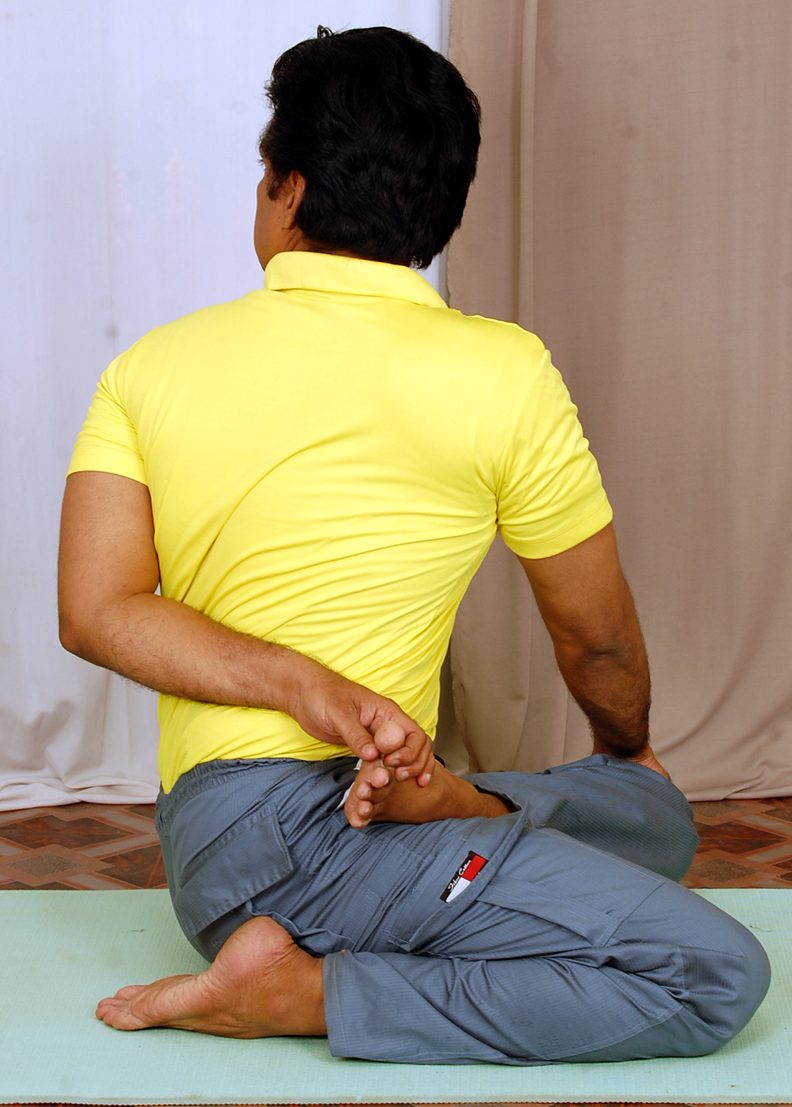
Bharadvaja’s Twist is named after the sage Bharadvaja. This seated yoga pose stimulates Root chakra and Heart chakra. Proper functioning of Root chakra promotes sense of safety. Effective functioning of Heart chakra
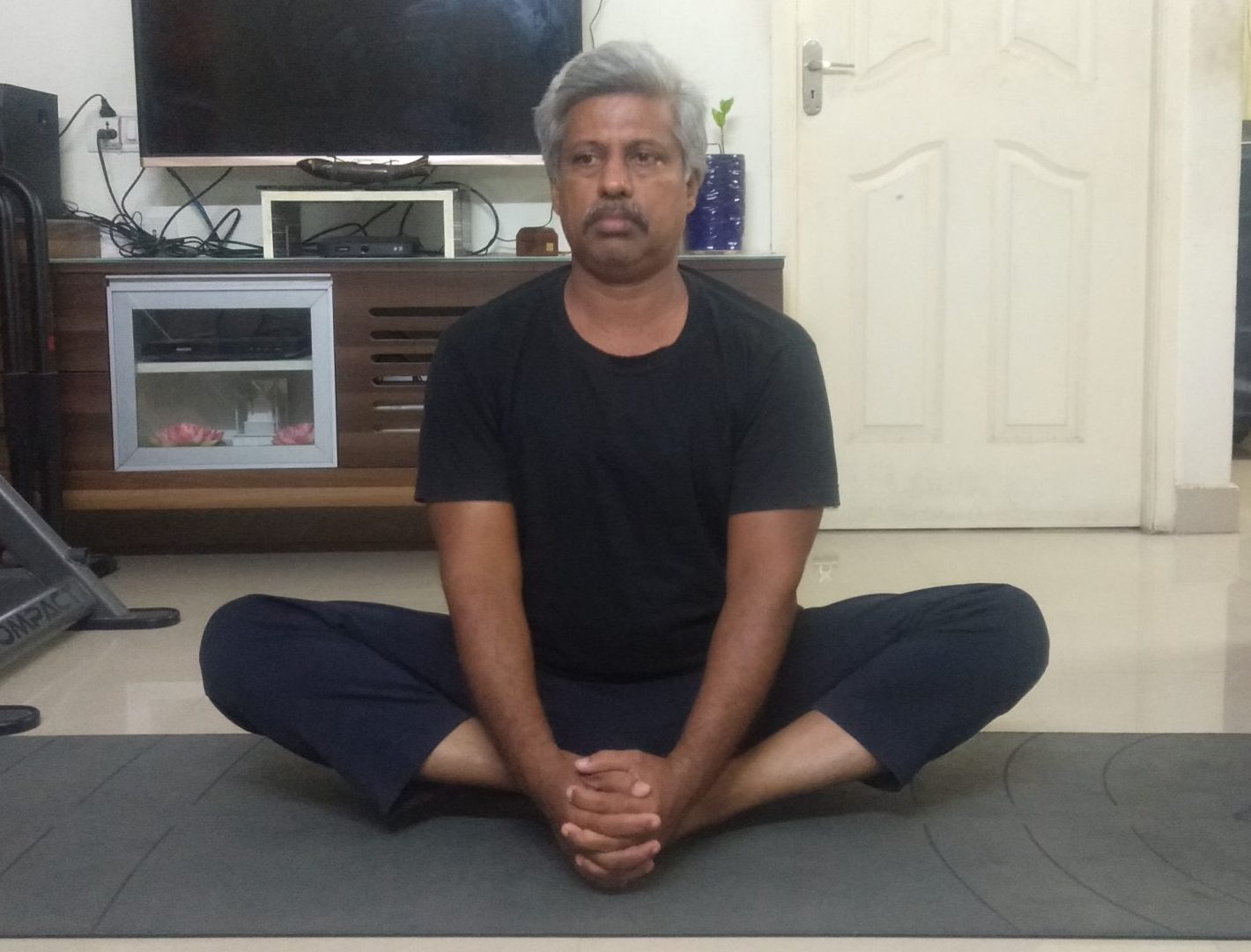
‘Baddha’ in Sanskrit means ‘bound’ and ‘kona’ means ‘angle’. This pose is also known as Butterfly Pose and Cobbler’s Pose. Bound Angle Pose stimulates Root chakra
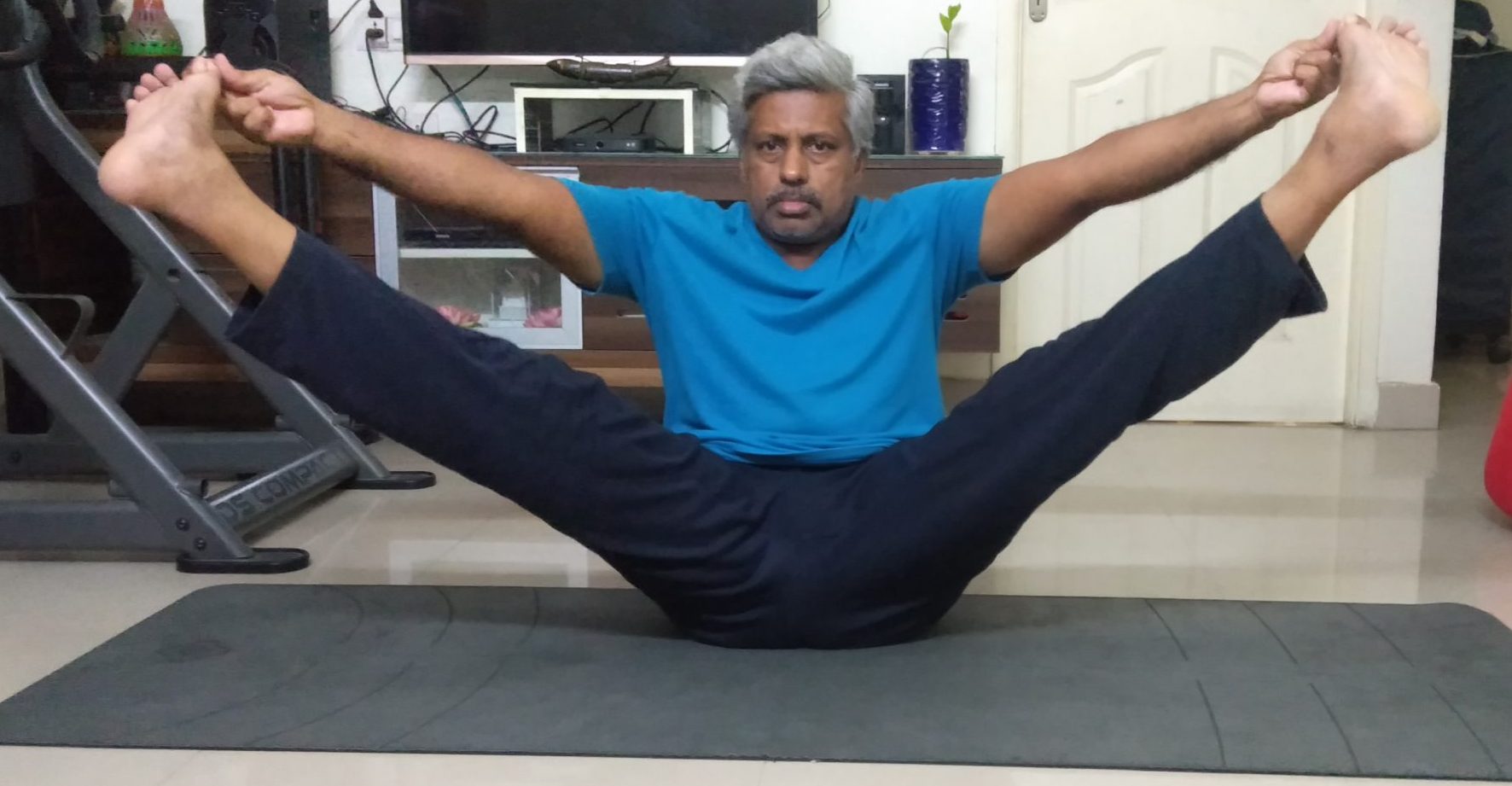
In one of our recent posts, we have written about Half Upright Seated Angle Pose, in which one leg will be lifted upwards. In Upward Seated Angle Pose both legs should be lifted sideways. ‘Urdhva’ in
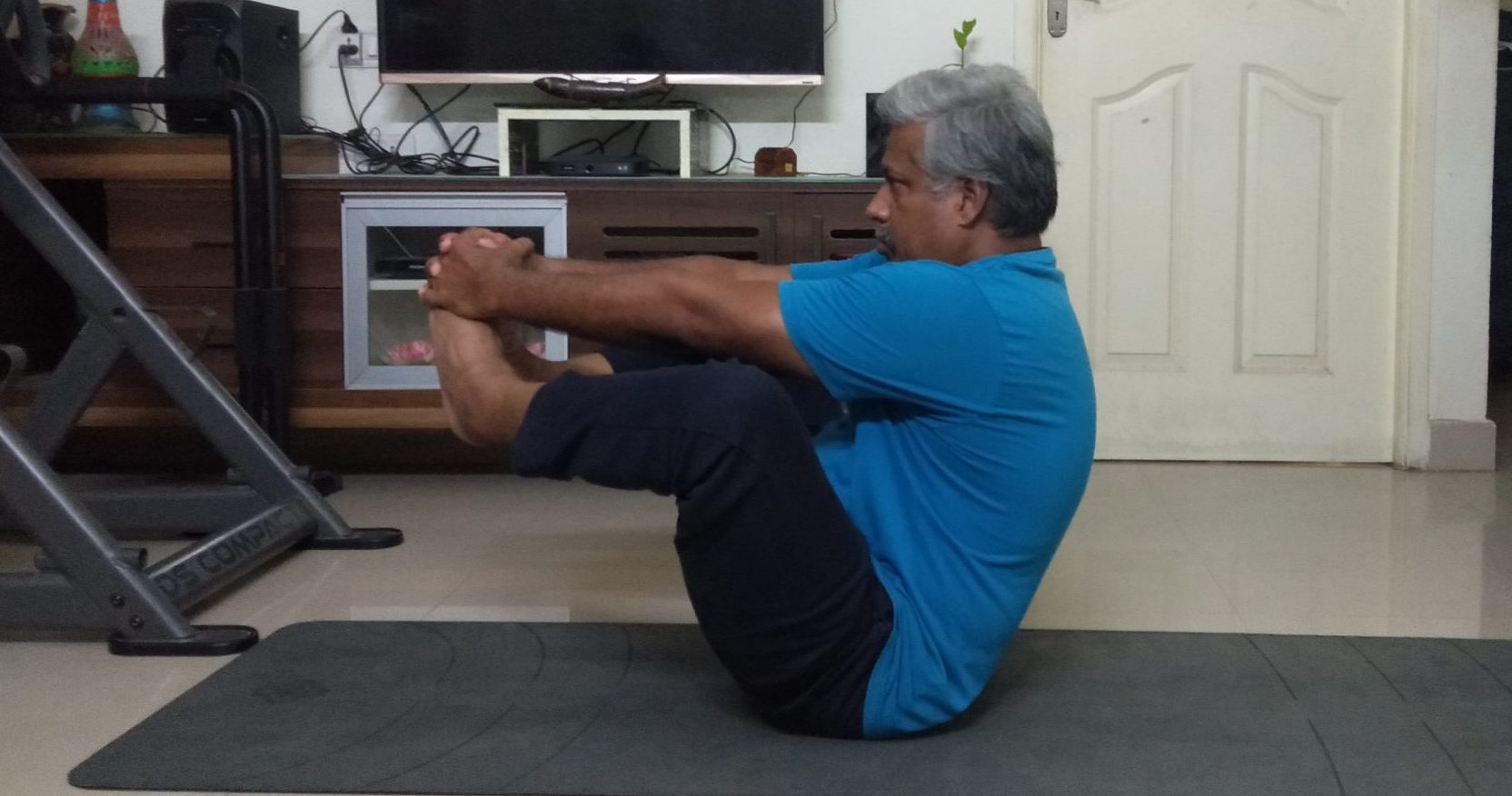
‘Danda’ in Sanskrit means ‘stick’, ‘yamana’ means ‘balance’ or ‘control’, ‘badhha’ means ‘bound’ and ‘kona’ means ‘angle’. In this pose, the legs are bound by the hands and the body is balanced by buttocks and hence
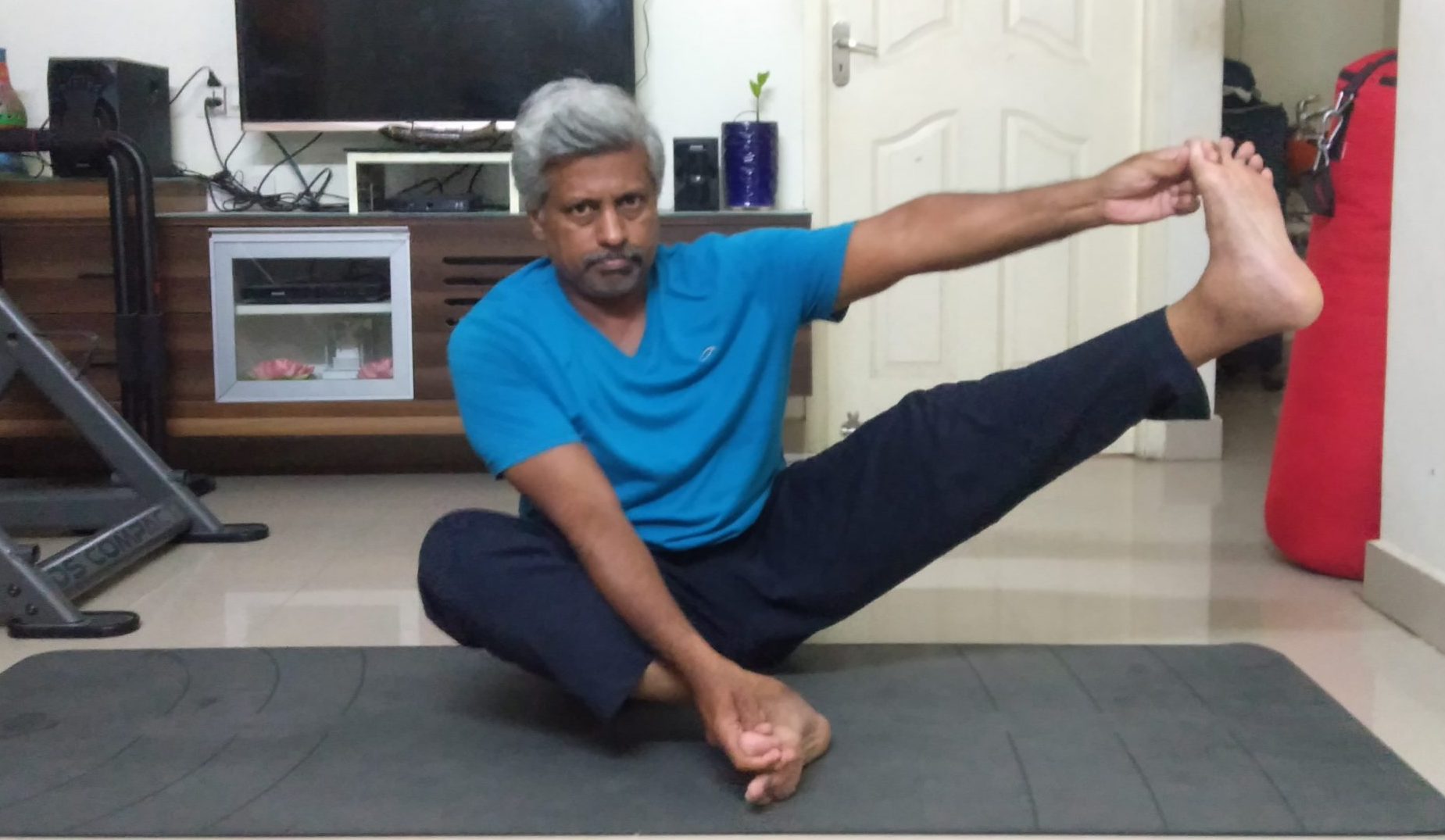
The word ‘ardha’ in Sanskrit means ‘half’, ‘urdhva’ means ‘upright’ or ‘upwards’, ‘upavistha‘ means ‘seated’ and ‘kona’ means ‘angle’. Since this is a seated pose with one leg raised upwards
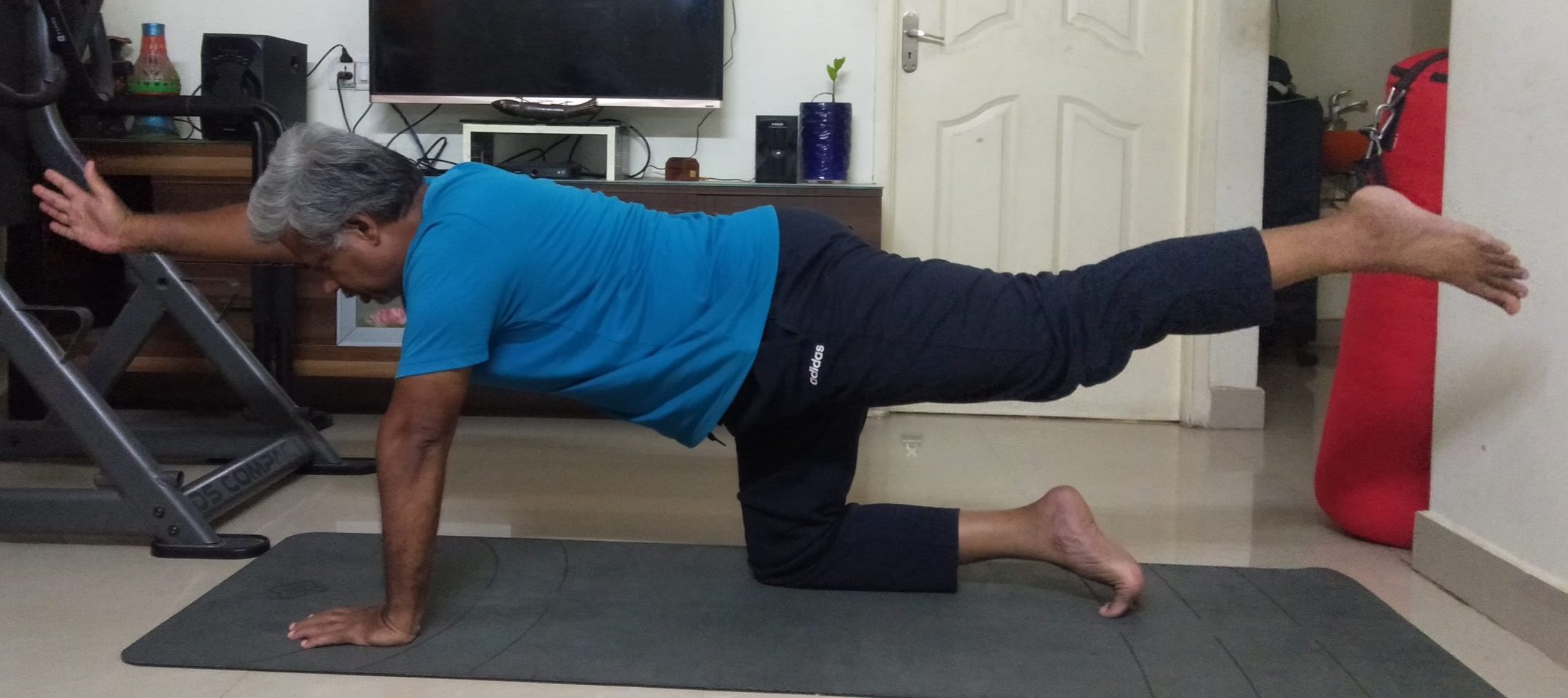
The word ‘danda’ in Sanskrit means ‘stick’, ‘yamana’ means ‘balancing’ or ‘controlling’, ‘bharma’ means ‘board that holds the table’. Since the pose involves balancing the body in controlled manner
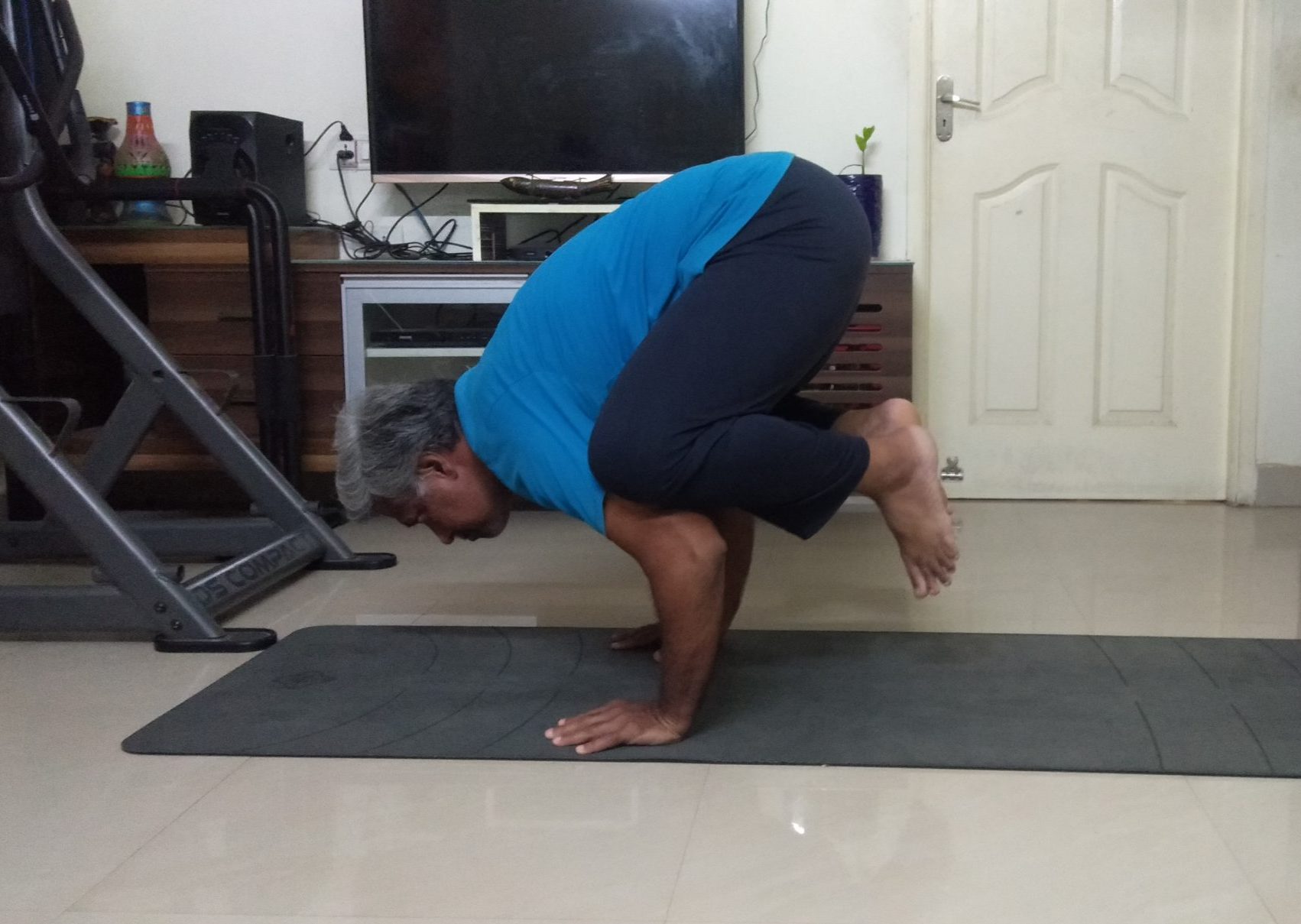
Crow Pose resembles the shape of crow and hence the name. ‘Kaka’ in Sanskrit means ‘crow’. The crow’s legs are very strong and hence using our hands as legs in this pose strengthens our hands. Crows
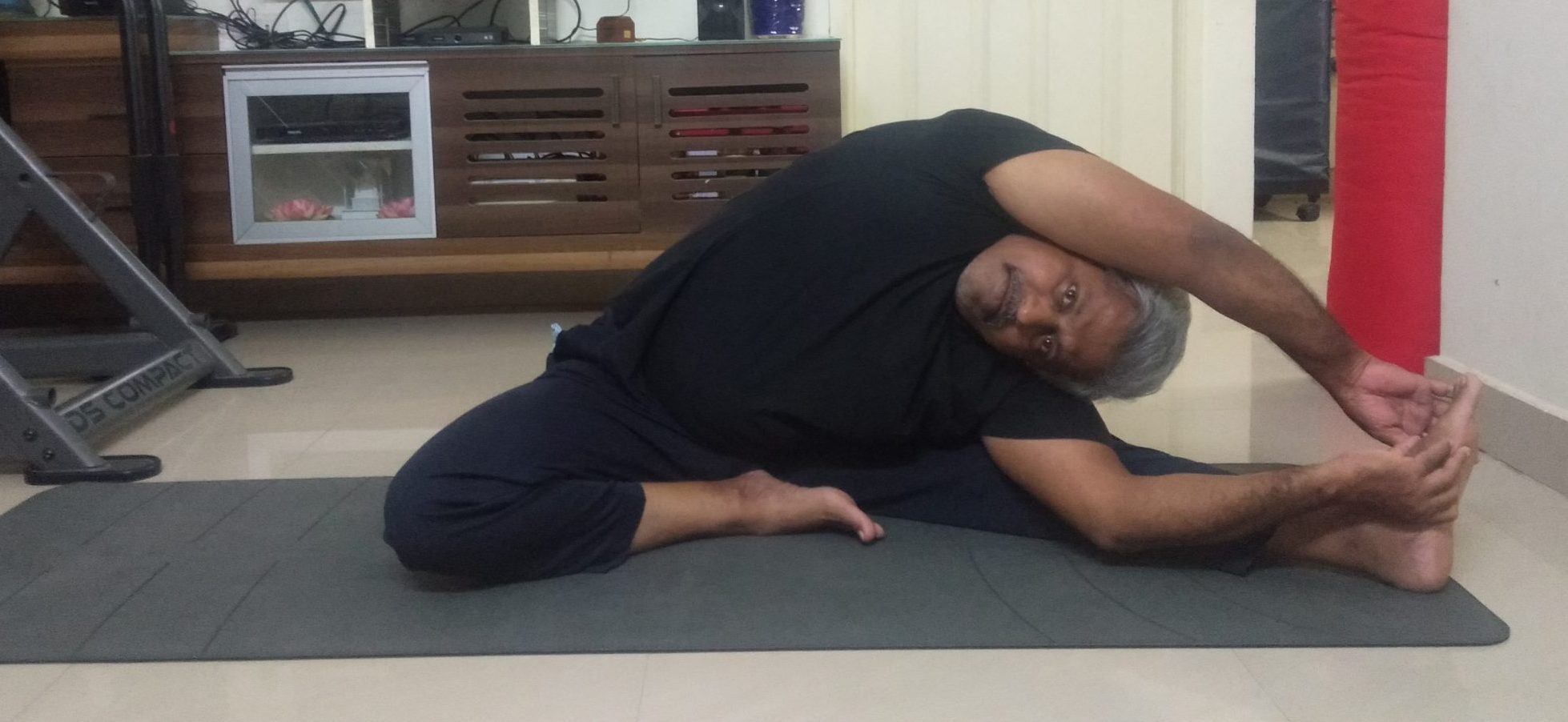
In one of our earlier posts, we have given the benefits of Head-to-Knee Pose and how to perform the same. In Revolved Head-to-Knee Pose, you stretch your hand over your body to hold the stretched leg. ‘Parivrtta’ in Sanskrit means ‘to revolve’,
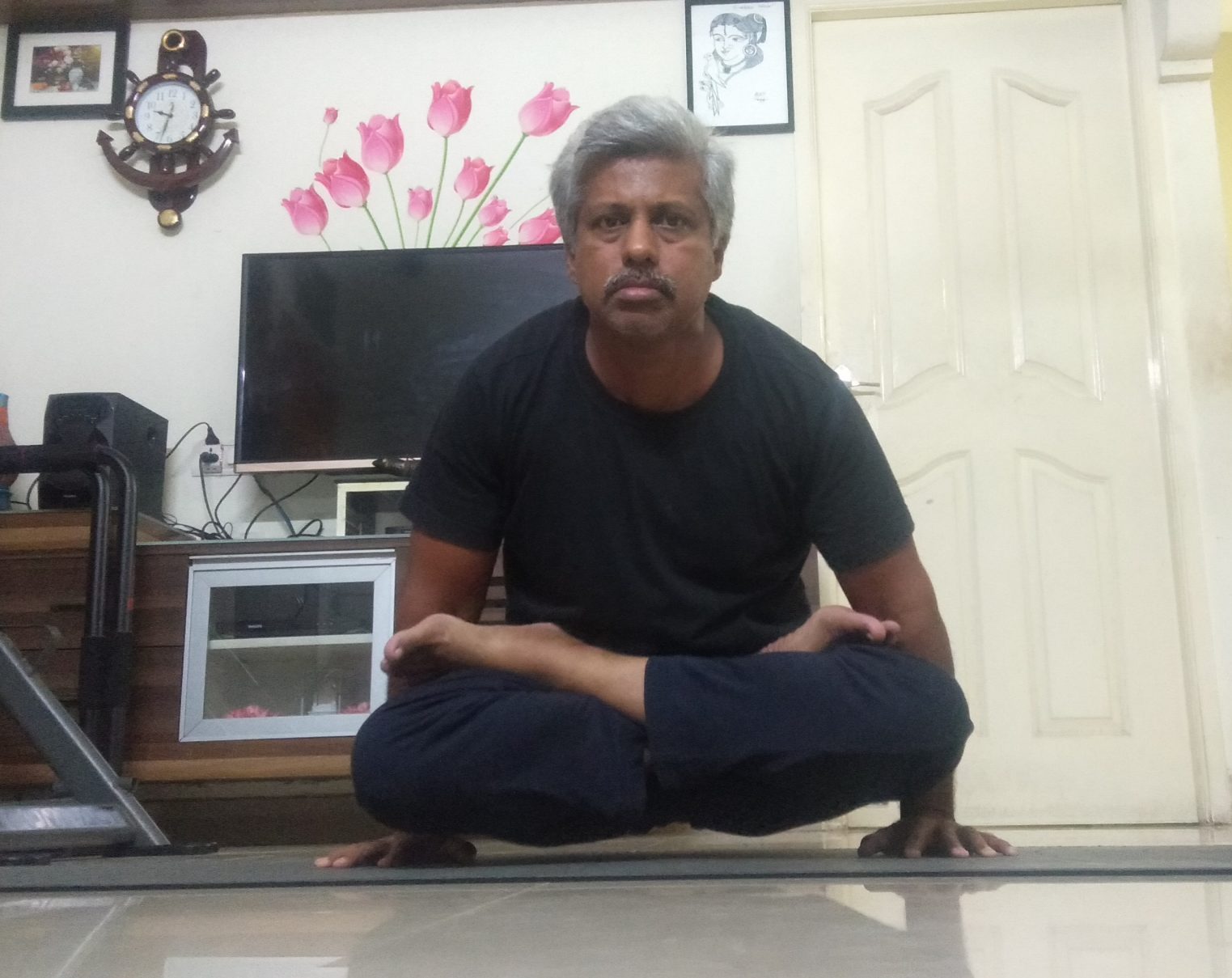
In Sanskrit, ‘Tula’ means ‘scale’. Here, scale refers to balance, that is holding the weight of the body with hands in a balanced state. The pose is also called Elevated Lotus Pose in English.
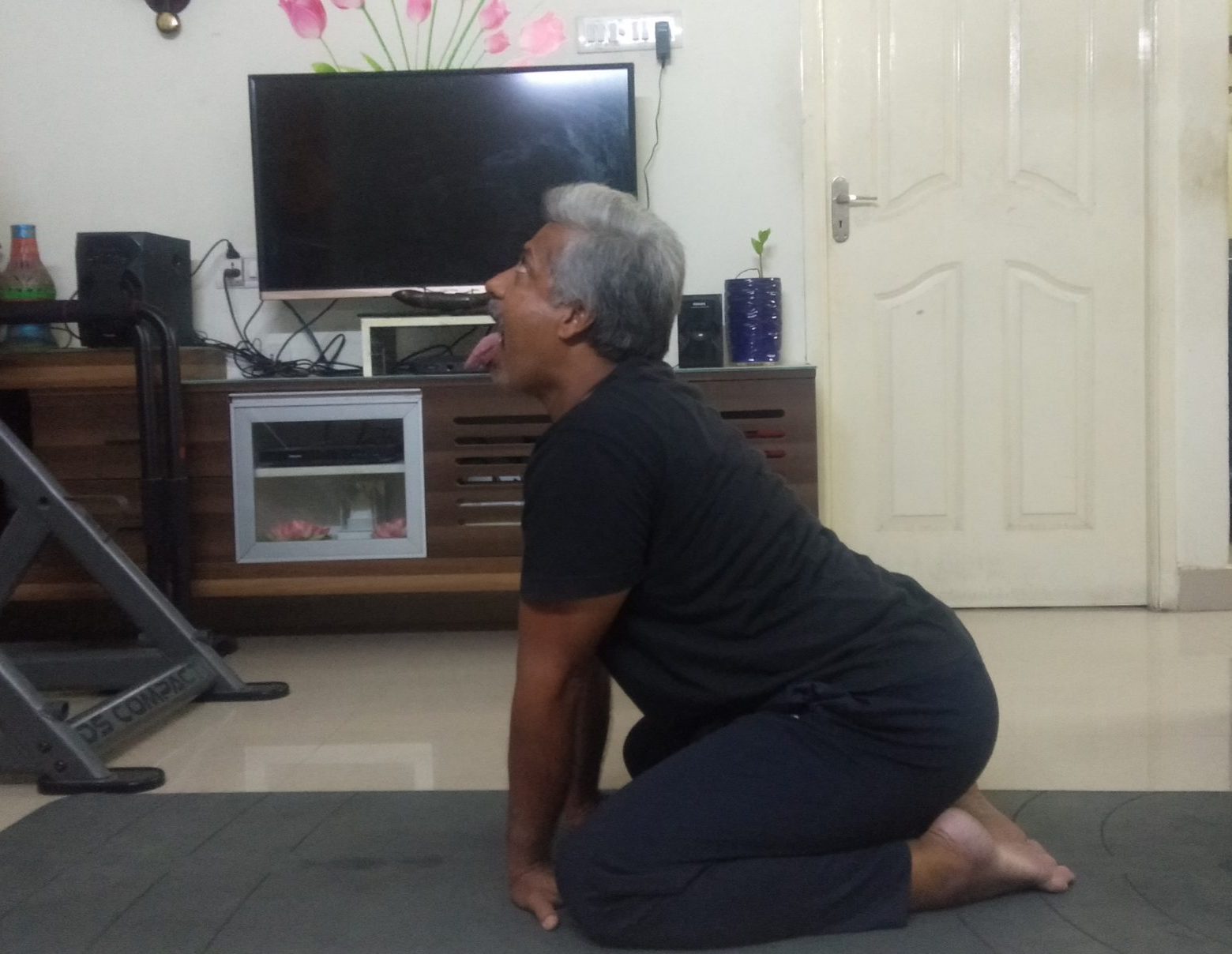
In Sanskrit, ‘Simha’ means ‘lion’. The tongue of the lion is a weapon in itself. Lion’s tongue has the power to tear its prey’s body. Roaring in Lion Pose strengthens platysma, which is a sheet of muscle that extends from collar bone to the angle of the jaw. It promotes
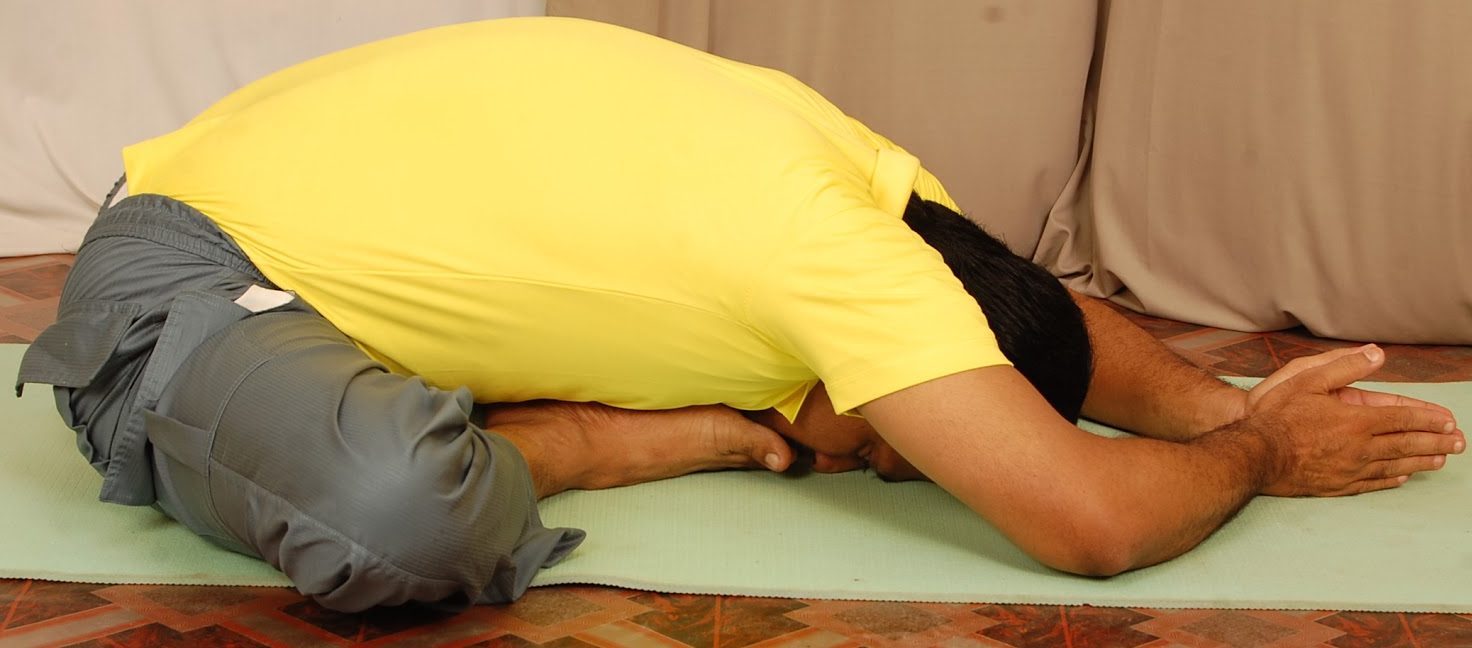
‘Bhadra’ in Sanskrit means ‘auspicious’ and ‘gracious’. Hence, Bhadrasana is called Auspicious Pose or Gracious Pose. Auspicious Pose stimulates Root Chakra, which is the base for the health of all chakras, and promotes
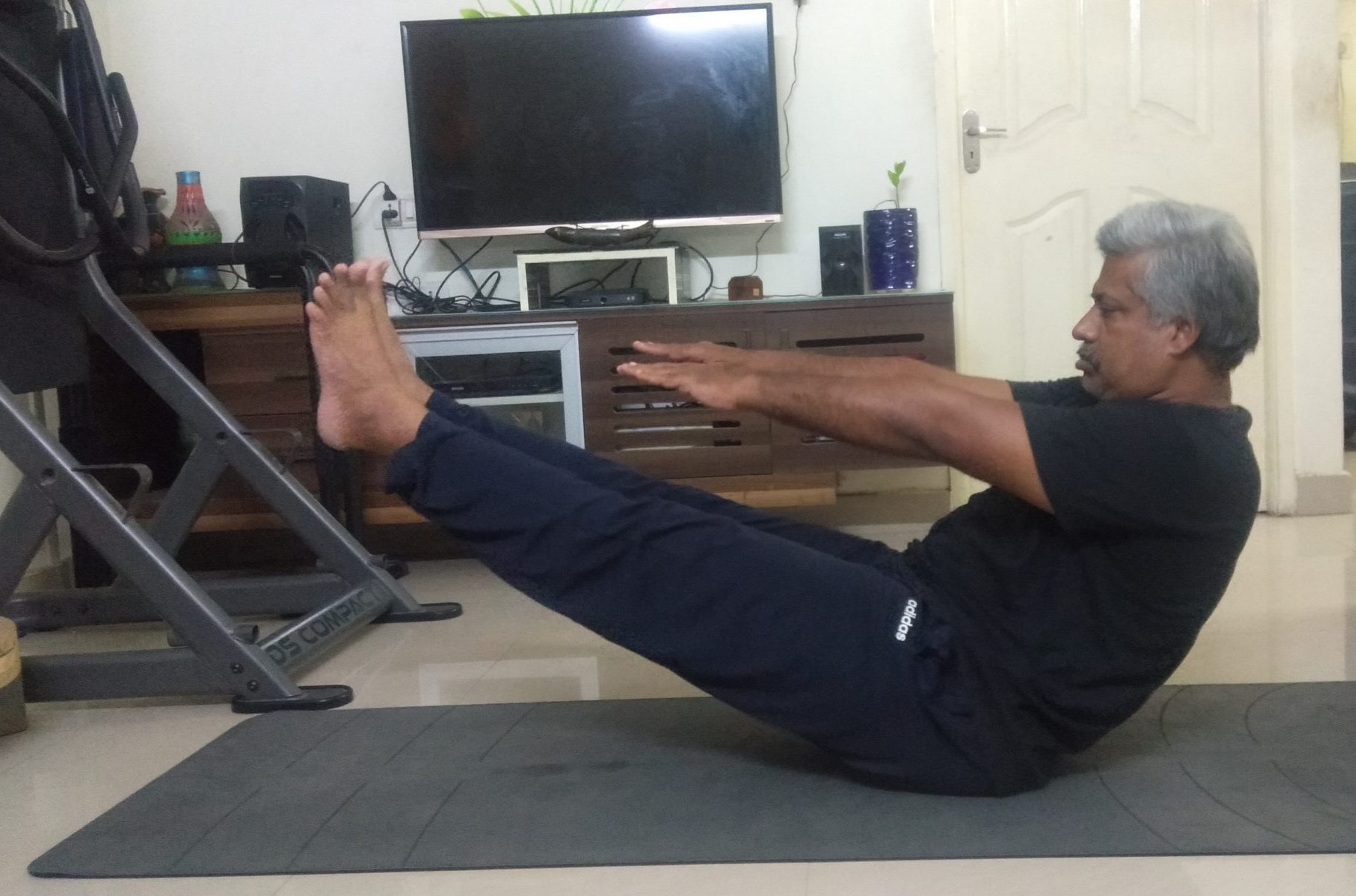
‘Nava’ in Sanskrit means ‘boat’. Since the pose resembles the shape of a boat, it is named thus. Just as a boat maintains balance on water, the pose helps to maintain body’s balance. This is achieved by the stimulation of Solar Plexus chakra and Sacral chakra. Proper functioning of these two chakras promotes self-esteem, self-confidence and determination. These traits