Benefits of Humming Bee Breath

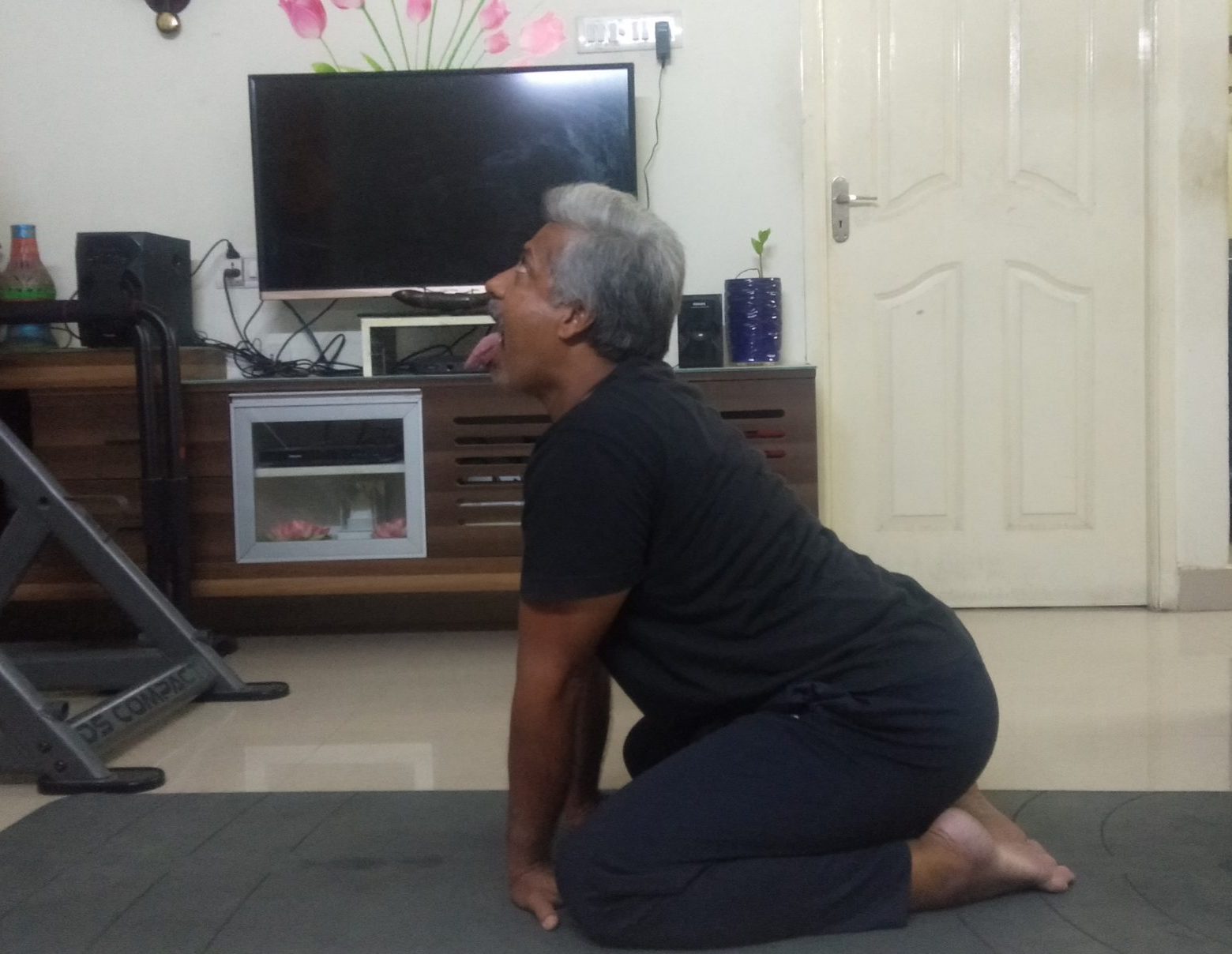
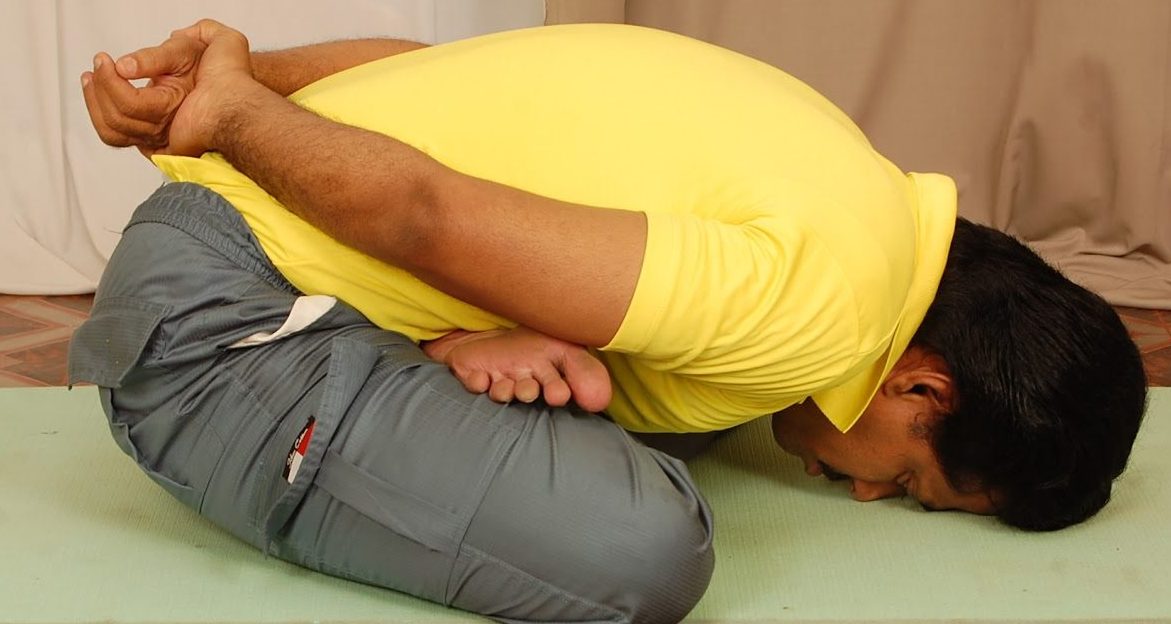
The term 'brahmari' is derived from the word 'bramar' in Sanskrit. Bramar means bee. Since this breathing practice involves sounding like a bee, the technique is called thus. Though there are different types of pranayama, Brahmari Pranayama is unique. Nitric acid produced naturally by the human body is highly essential for health. Various cells of the body produces nitric acid. Nitric acid helps to boost immunity, promote lung health,

Read more >>
Yoga Poses

Yoga Pose for Day 31 – Camel Pose (Ustrasana)

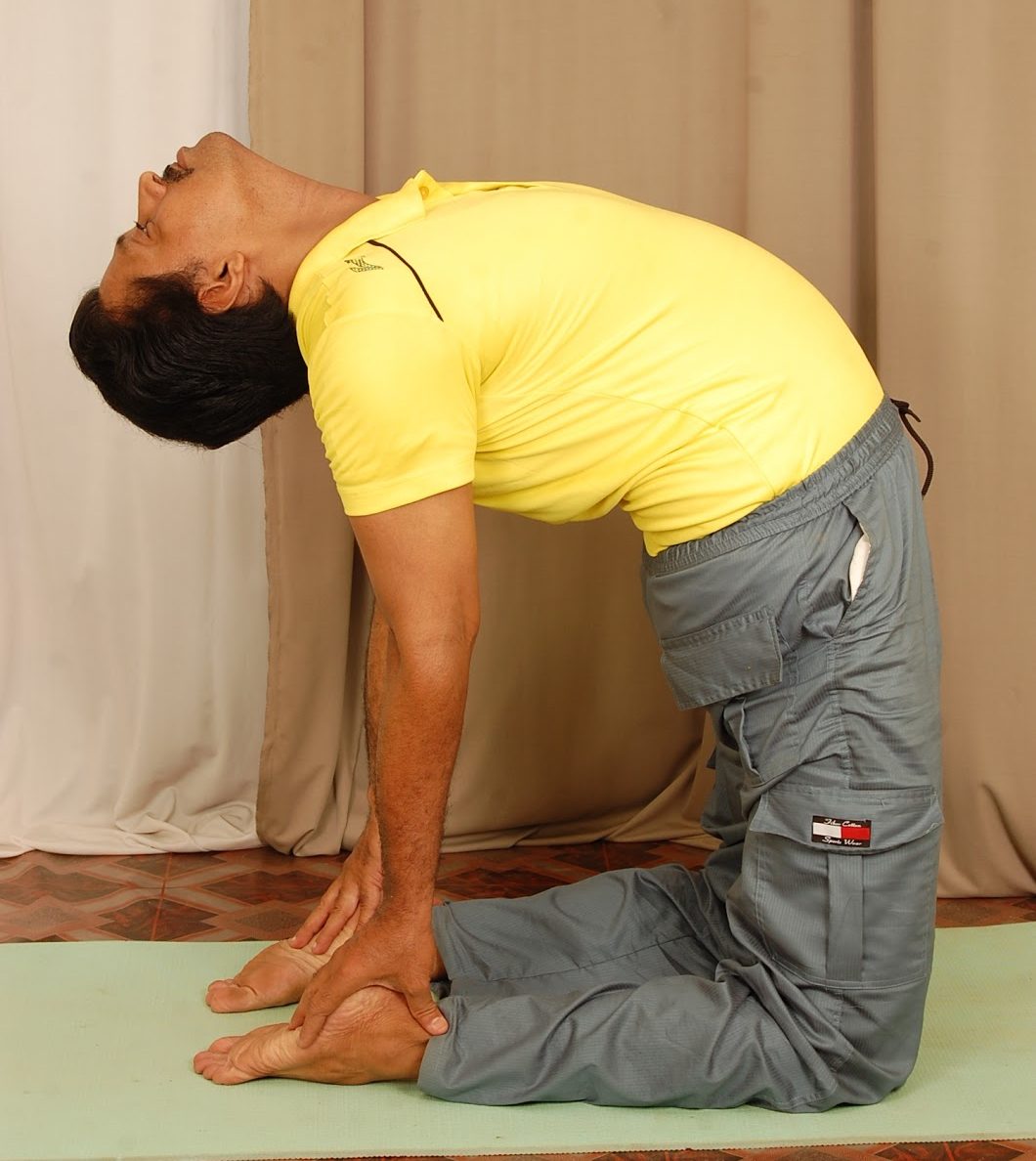
‘Ustra’ in Sanskrit means ‘camel’. Camels are called ships of the desert for a reason. Not only they travel from one end of the desert to another, they can easily carry more than a couple of hundred kilograms on their backs while walking. Their lungs are so strong that they are able to comfortably handle such walking. Performing Camel Pose stretches the chest and improves lungs’ elasticity and

Read more >>
Uncategorized

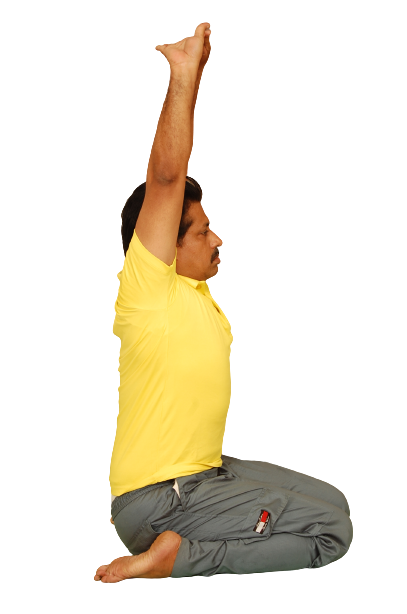
Yoga Pose for Day 29 – Seated Mountain Pose (Parvatasana)

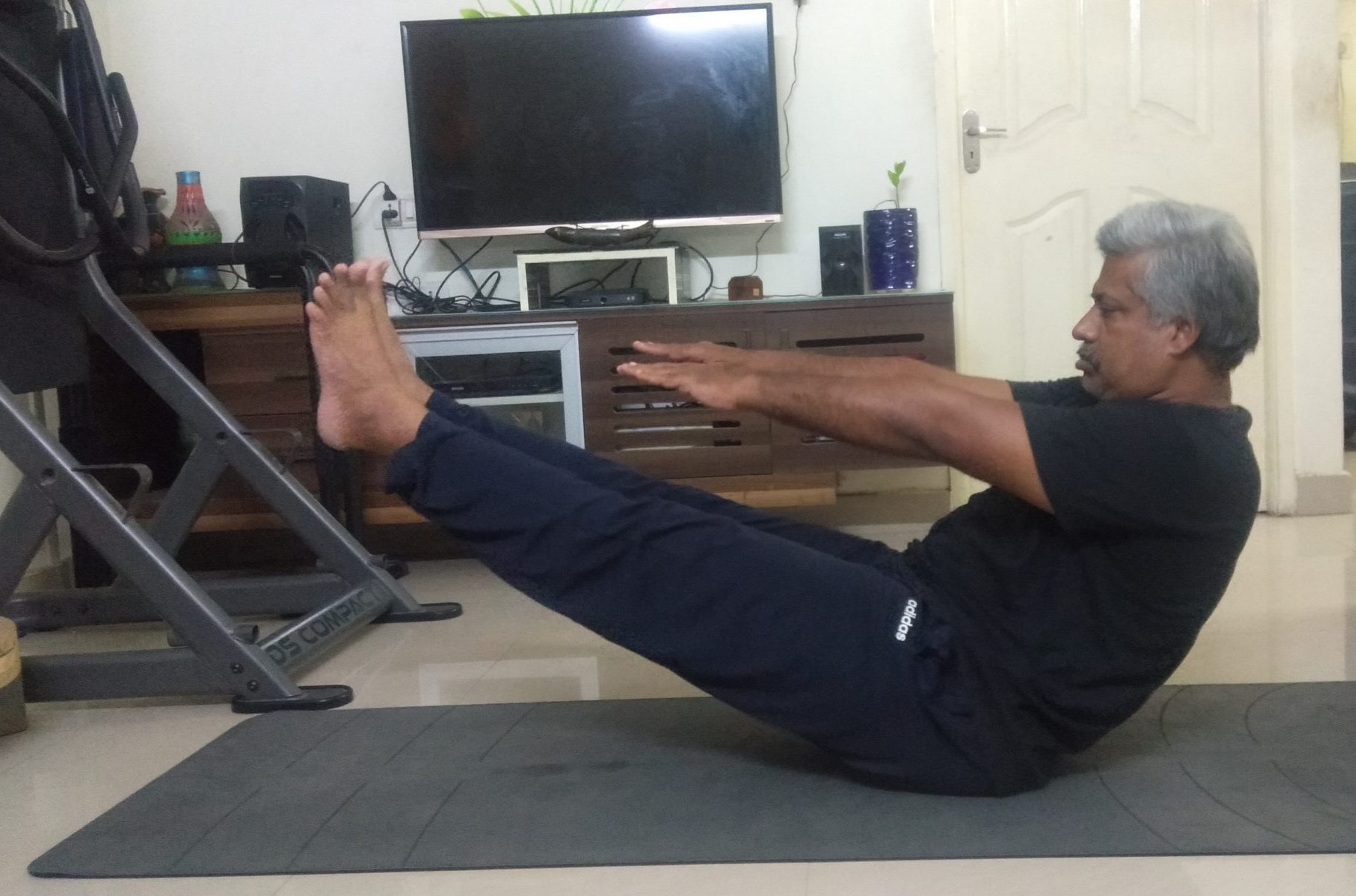
‘Parvata’ in Sanskrit means ‘mountain’. It is believed to have acquired the name as the body resembles the shape of mountain while in the pose. Downward Facing Dog Pose is also called Parvatasana. The spine gets strengthened and stable and the body gets strong with regular practice of Seated Mountain Pose.

Read more >>
Yoga Poses

Yoga Pose for Day 27 – Staff Pose (Dandasana)

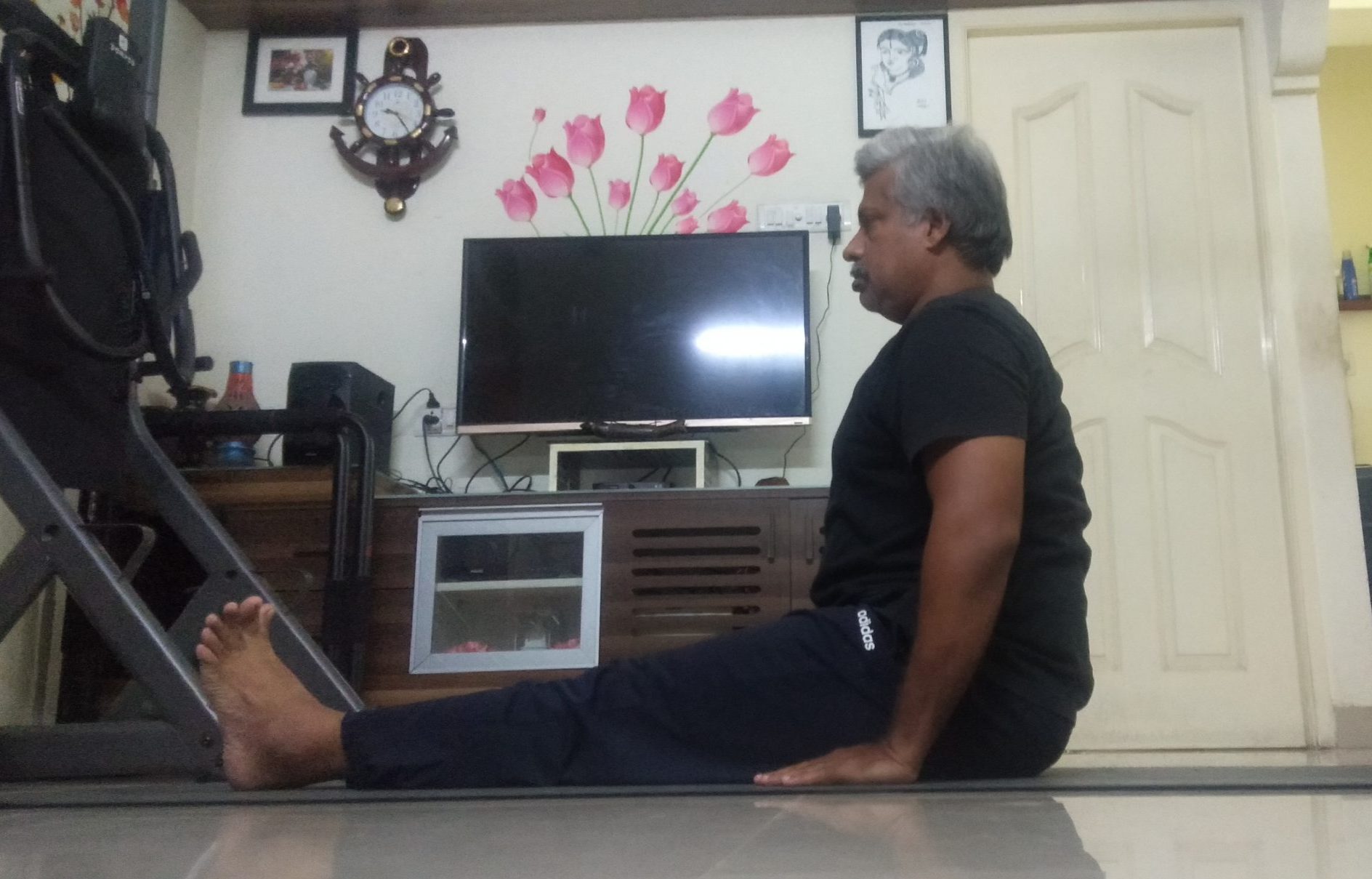
A very simple pose to look at, Staff Pose is an excellent pose for strengthening the back. ‘Dandu’ in Sanskrit means ‘staff’ and ‘spine’. Staff Pose stretches the spine and also aids in proper breathing. The pose helps to focus on the flow of prana throughout the body.

Read more >>
Yoga Poses

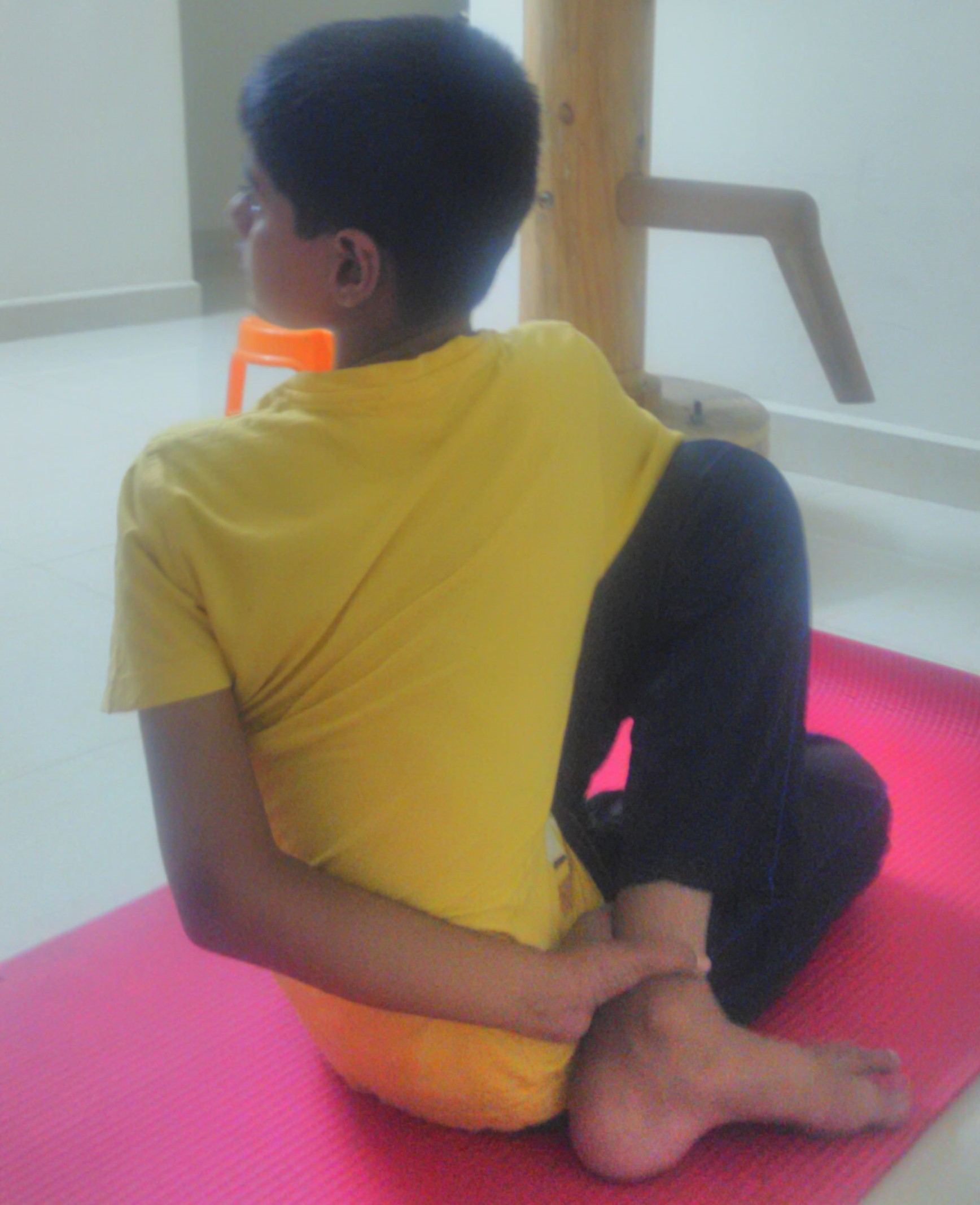
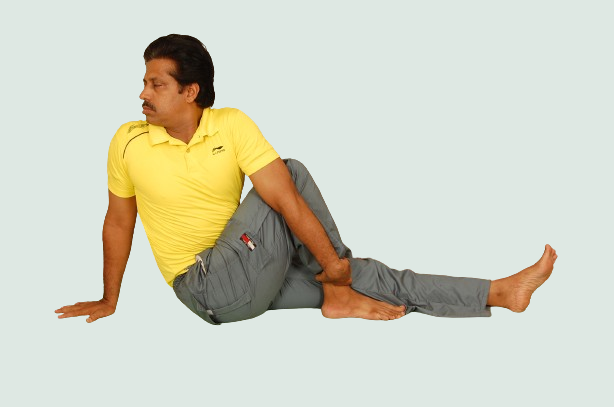
Yoga Pose for Day 26 – Half Spinal Twist (Ardha Matsyendrasana)

‘Ardha’ in Sanskrit means ‘half’, ‘matsya’ means ‘fish’, ‘indira’ means ‘king’ and hence, the pose is called Half Lord of the Fishes Pose and also is referred to as Half Spinal Twist named after the twist involved in the pose. It is also believed that the pose is named after a yogi called Matsyendrar.

Read more >>
Yoga Poses

Yoga Pose for Day 24 – Twisted Pose (Vakrasana)

‘Vakra’ in Sanskrit means ‘twisted’. The pose is performed by twisting the spine in both ways. Hence, the flexibility of spine is increased and tightness is reduced. Twisting also strengthens the hips and improves function of digestive system.

Read more >>
Yoga Poses

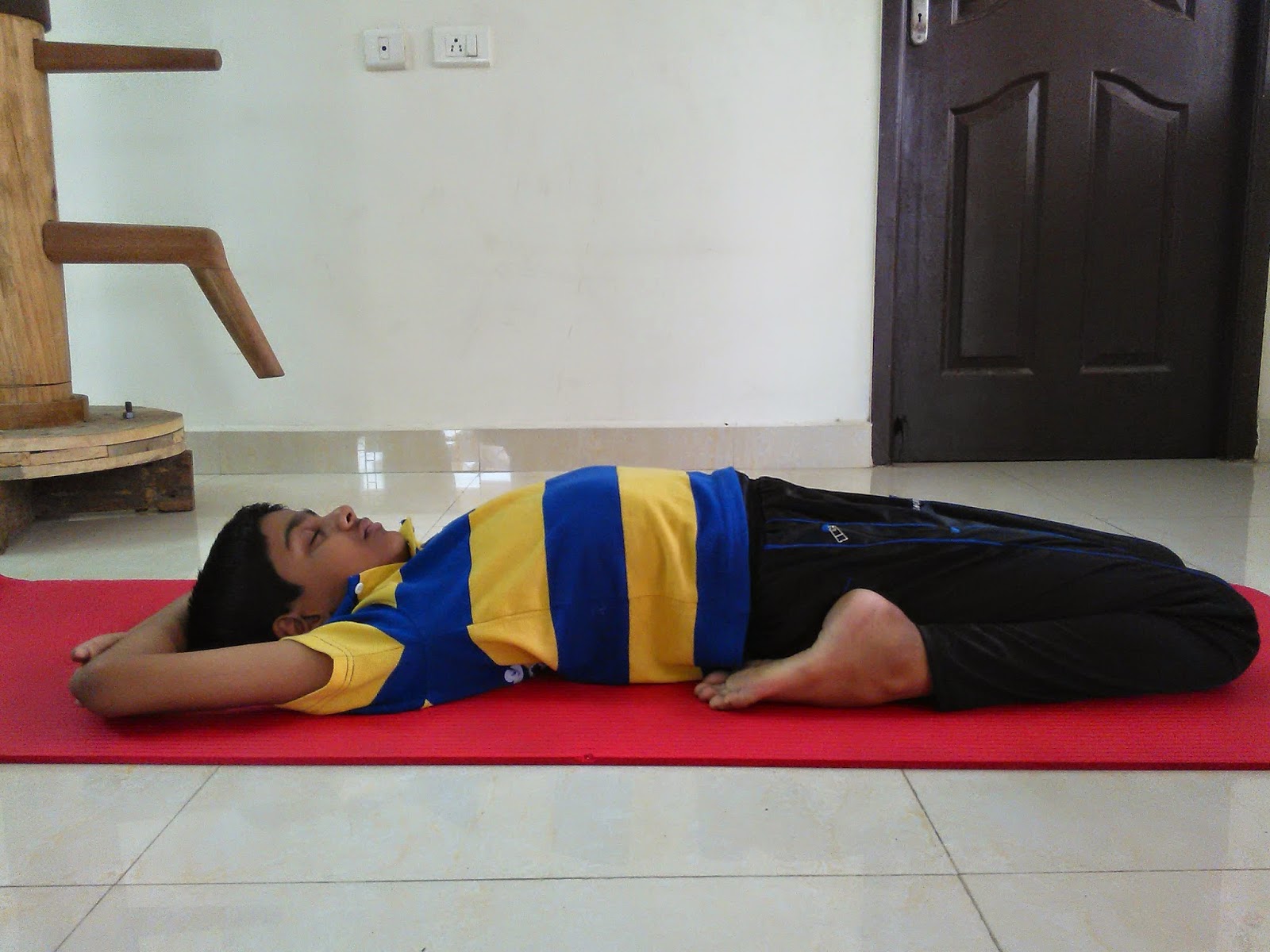
Yoga Pose for Day 23 – Supine Thunderbolt Pose (Supta Vajrasana)

In an earlier post, we have given the benefits of Thunderbolt Pose and instructions on how to perform it. Thunderbolt Pose, as mentioned earlier, strengthens your body. Supine Thunderbolt Pose is a supine pose in which your legs are as in Hero Pose. ‘Supta’ in Sanskrit means ‘supine’ and Supta Vajrasana is Lying Thunderbolt Pose.

Read more >>
Yoga Poses

Yoga Pose for Day 22 – Hero Pose (Virasana)

The very name of the pose is suggestive of courage. Shivering of hands and legs and becoming anxious are associated with fear. The reaction would be anger followed by various other issues. All these are owing to the fact that we consider ourselves weak. Hero Pose makes you fearless and gives you a sense of courage.

Read more >>
Yoga Poses

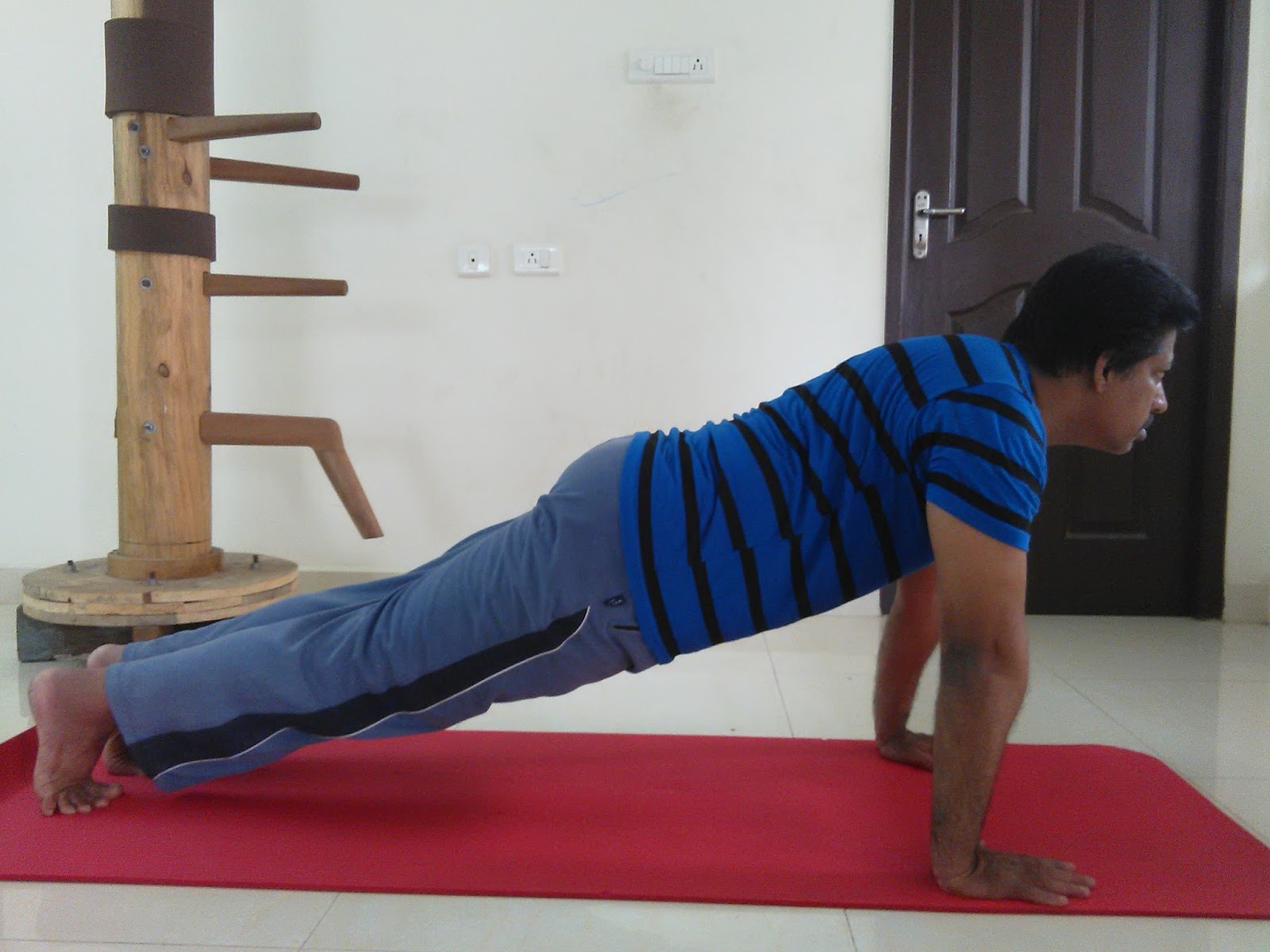
Yoga Pose for Day 21 – High Plank Pose (Kumbhakasana)

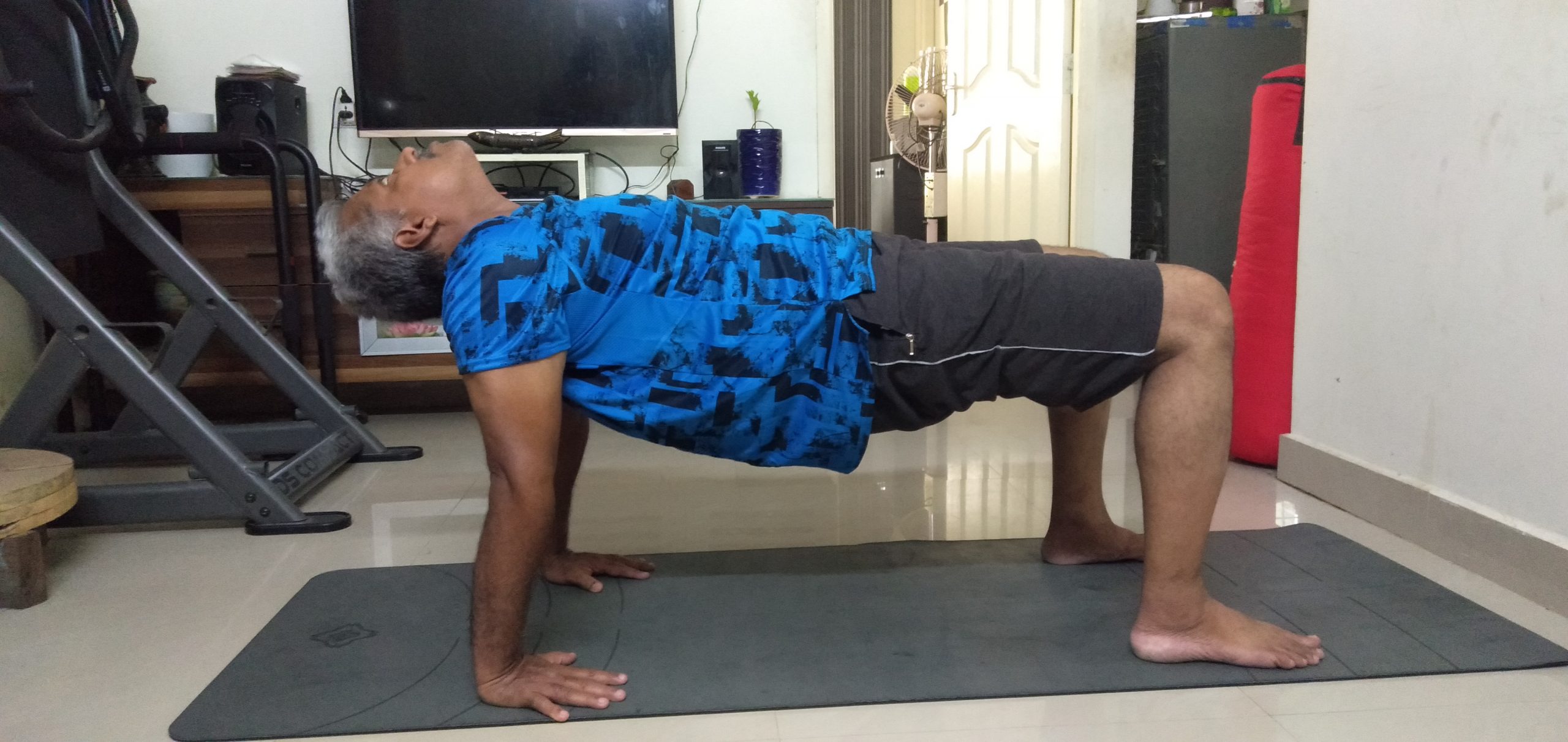
The poses done so far are effective in strengthening certain parts of the body. High Plank Pose strengthens the whole body. High Plank Pose is called Kumbhakasana in Sanskrit. Though ‘kumbhaka’ is generally said to mean ‘breath retention’, it also means ‘pot’, which here refers to the human torso. This pose promotes flow of blood and life force

Read more >>
Yoga Poses

Yoga Pose for Day 18 – Cow Pose (Bitilasana)

Cow Pose is a counter pose to Cat Pose and also can be done as a sequence. ‘Bitila’ in Sanskrit means ‘cow’. The pose resembles the shape of a cow. Cat Cow Poses produce effective results when performed as a sequence. The bending and lifting of back improves spine flexibility and rejuvenates

Read more >>
Seated Forward Bend
Yoga Poses

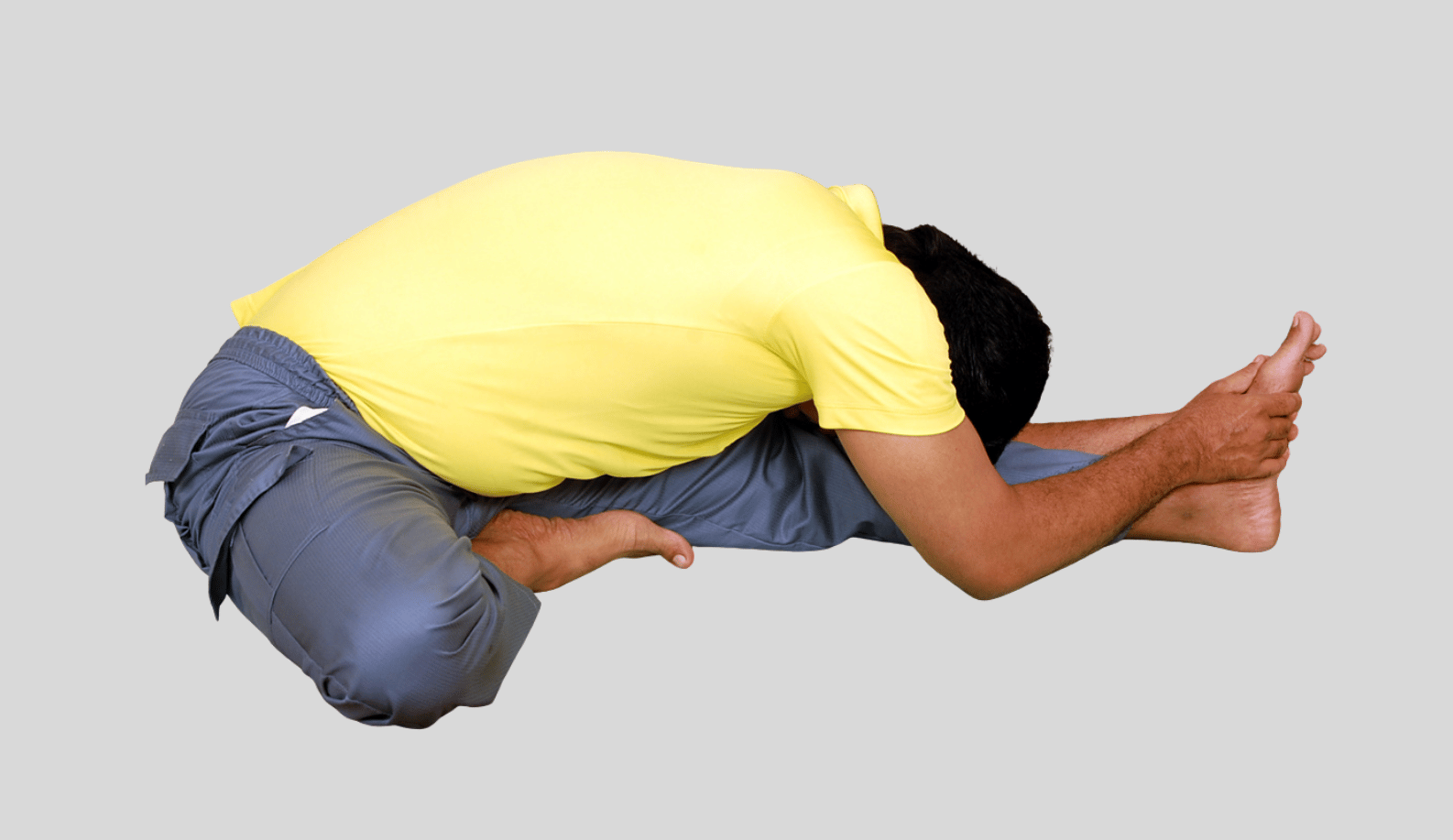
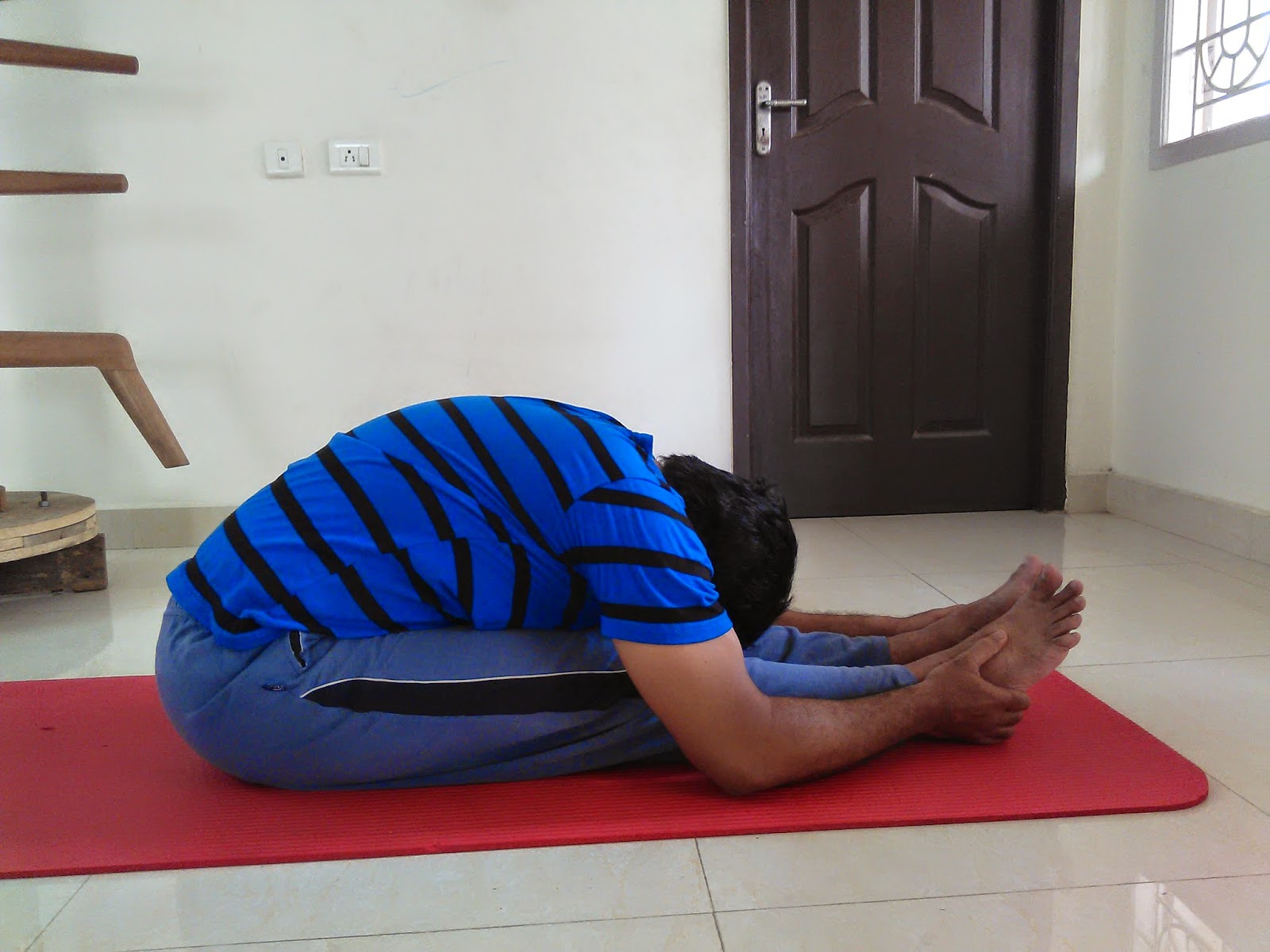
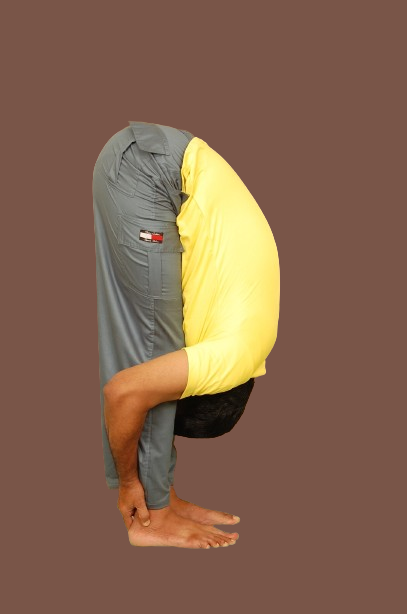
Yoga Pose for Day 16 – Seated Forward Bend (Paschimottanasana)

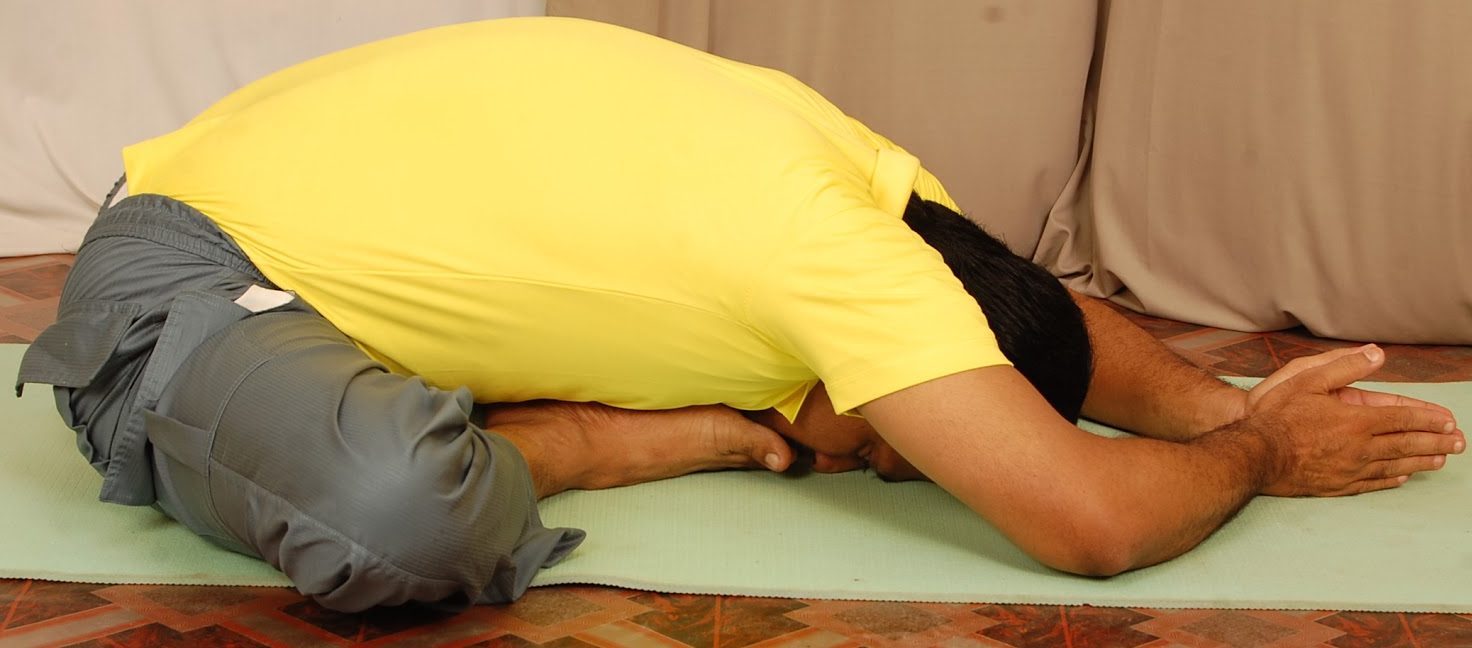
Seated Forward Bend can be performed as a counter pose for both Cobra Pose and Sphinx Pose. ‘Paschima’ in Sanskrit means ‘west’ and ‘uttana’ means ‘intensive stretching’ - stretching the back of the body, that is bending the front part of the body in a seated position. In this pose, the backside of the body, in particular the spine, is stretched forward. This stimulates

Read more >>
Yoga Poses

Yoga Pose for Day 15 – Sphinx Pose (Salamba Bhujangasana)

Sphinx Pose can be performed as a counter pose to Child Pose. Just like Child Pose is a baby’s lying position, Sphinx Pose resembles a baby holding the weight of its upper body in both hands while lying. The term ‘salambha’ in Sanskrit means ‘support’, ‘bhujanga’ means ‘snake’. This is generally considered as a half striking pose of a snake.

Read more >>
  • Subscribe

    * indicates required
  • Search
  • Similar to Keezhadi excavations which bring to light the rich past of the Thamizh civilization, Thirumoolar's Thirumanthiram draws our attention to the unbelievably rich knowledge possessed by ancient Thamizh civilization in the field of medicine. It will be only right to say that Thirumoolar would have been the world's first anatomical scientist. 
  • English (UK)